Life in the past

Ajouter aux favoris

In the Maurienne Valley, life in the past was governed by the seasons, agriculture and mountain traditions, the memory of which is preserved today in the valley’s museums.

Life in the past in Maurienne

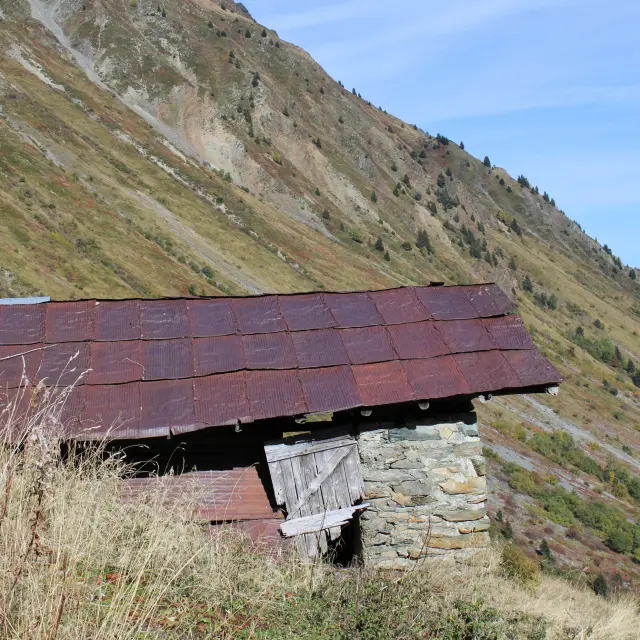
In the heart of the Alps, life in the Maurienne Valley in the past was closely linked to the mountains, the climate and the rhythm of the seasons. Until the beginning of the XXᵉ century, the vast majority of inhabitants made their living from subsistence farming and livestock rearing. Farms were modest and often scattered on the slopes of the valleys. The people of Maurienne grew mainly hardy cereals such as rye andbarley, as well as potatoes and a few vegetables for their own consumption. Livestock farming played an essential role in the local economy, with cows, goats and sheep providing milk, cheese, meat and wool. In summer, the herds went up to the mountain pastures, where the shepherds spent several months looking after the animals and producing cheese and tomme.
Daily life was governed by a precise agricultural calendar. In spring, the fields were sown and prepared. Summer was marked by haymaking, an essential time for building up the hay reserves needed for winter. Autumn was devoted to harvesting and preparing provisions, while winter, often long and harsh, was a quieter period devoted tomaintaining tools, woodworking and domestic activities. The whole family took part in the work, and neighbours often helped each other, especially with the most important tasks.

Social life was also organised around religious festivals, fairs and markets, which were important occasions for meetings and exchanges. In these often isolated villages, solidarity between residents played an essential role. In addition to farming, many craftsmen contributed to village life, including blacksmiths, carpenters, millers and stonemasons. Some residents also peddled their wares or went to work elsewhere for part of the year to supplement their income.

At the end of the XIXᵉ century, the valley underwent a transformation with the arrival ofindustry, favoured by the development ofhydroelectricity. New factories were built, providing jobs and gradually changing the local economy. Despite these changes, the Maurienne has retained a strong identity, shaped by centuries of mountain life. Today, this memory is passed on through heritage, personal accounts and the valley’s many museums, which offer visitors a chance to discover and understand the daily lives of the people of the Maurienne in days gone by.
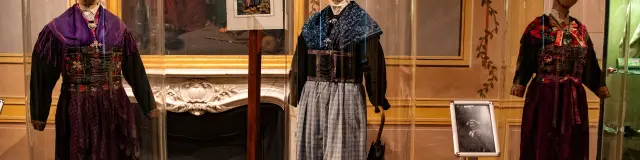
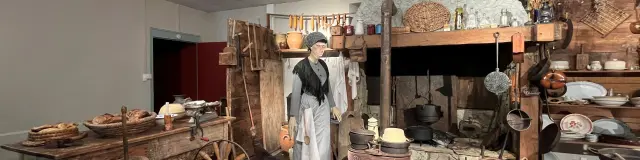
Saint-Jean-de-Maurienne Museum of Folk Costumes, Arts and Traditions

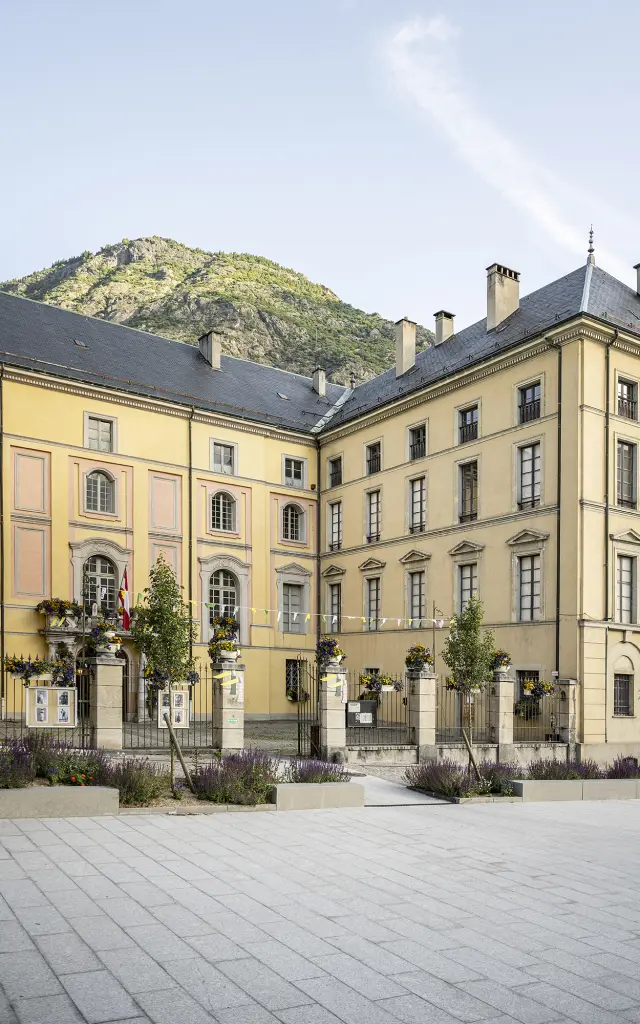
Within the prestigious walls of the former bishop’s palace, you will discover an exceptional collection of Maurienne costumes. The museum also displays tools and utensils used in everyday life in days gone by.

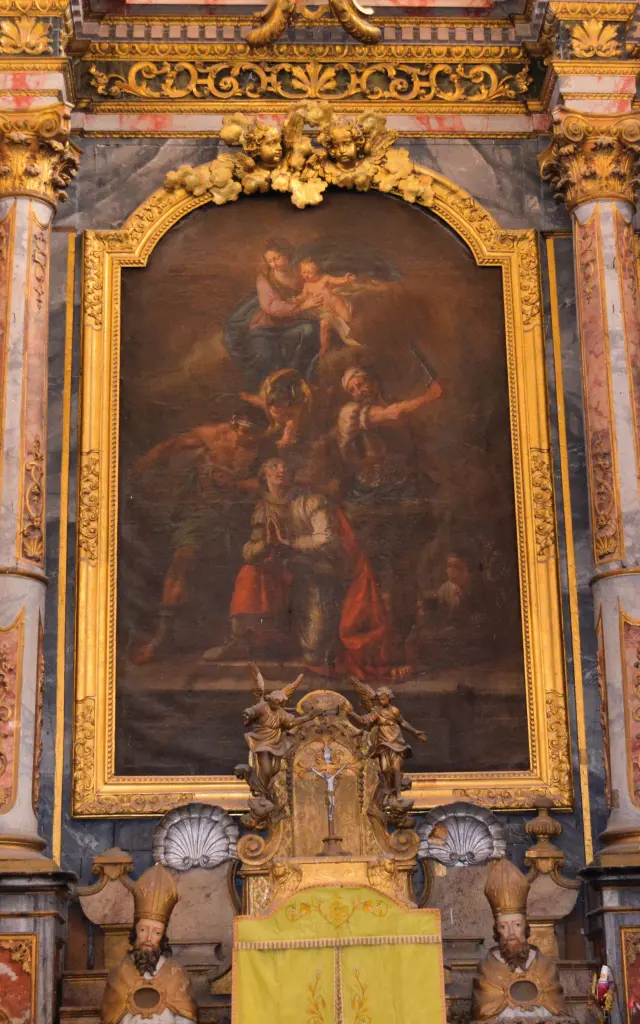
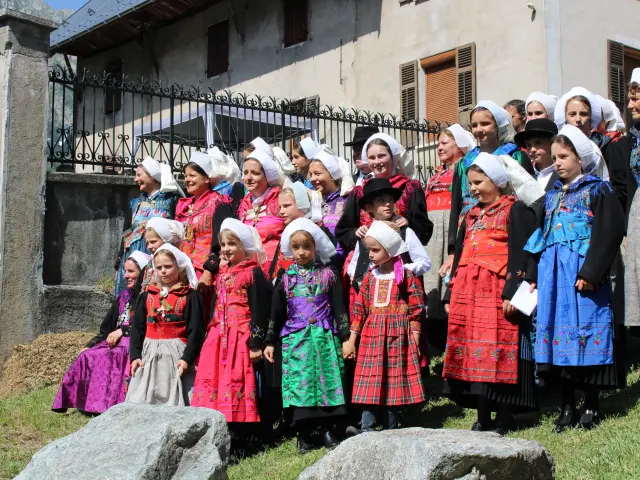
The dresses of the Arvan and Villards valleys in particular are among the most original in the Alps. In the former bishop’s chapel, you can see a recreation of a Maurienne home where people lived together. One room features archaeological collections, another is devoted to religious art, and a third to the history of the Savoy dynasty.

Additional information:
The Musée des Costumes, Arts et Traditions Populaires is located on the first floor of the Ancien Évêché. Access is by a large staircase without a lift.

Address :

Ancien Évêché, Place de la Cathédrale

73300 Saint-Jean-de-Maurienne

Contact: 04 79 83 51 51

Opening hours: More information on the museum website.

Site: Museum of Folk Costumes, Arts and Traditions

Argentina Félicien Museum

Located in the village of Argentine, the Musée du Félicien immerses you in the daily life of a Savoyard village at the beginning of the XXᵉ century. Through a lively immersion, visitors follow the character of Félicien and explore, through the seasons, the gestures and traditions that punctuated life in the Maurienne in days gone by.

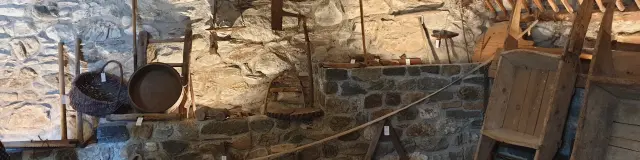
The museum features a collection of farming tools, everyday objects, old photographs and period documents illustrating rural life and traditional skills. In the kitchen of La Foncine, Félicien’s daughter, a light and sound show recreates the warm atmosphere of the evenings of yesteryear. Temporary exhibitions and a reading area complete the visit, while younger visitors can discover the local heritage through traditional games and fun activities.

Address :
Next to the church, 3408 RD 72
73220 Argentina

Contact: 04 79 44 33 67

Mail: info@musee-felicien.fr

Opening : More information on the museum website.

Website: Musée du Félicien

Saint-Colomban-des-Villards Heritage House

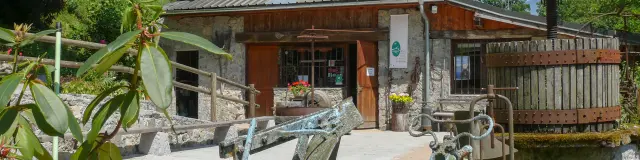
Located in a typical old village house in the hamlet of La Pierre, the Maison du Patrimoine invites you to discover how life used to be in the Villards valley. This small eco-museum features a remarkable collection of traditional village costumes, highlighting the refinement of the embroidery, fabrics and jewellery that made up the outfits of the time.

The tour also takes in a traditional interior recreated as it once was. In the former stables, you’ll find a number of objects and tools used in everyday life, particularly for farming and domestic activities. All in all, it offers a real insight into the way of life of the valley’s inhabitants in the last century.

Additional information:
The museum is located in a traditional house in the hamlet of La Pierre.

Address:
Hameau de La Pierre
73130 Saint-Colomban-des-Villards

Contact: 04 79 59 15 34

Opening times: Further information from the Terres de Maurienne Tourist Office

Grésy-sur-Isère Village museum of the Combe de Savoie

Situated on the hillsides on the right bank of the Isère, between Montmélian and Albertville, the Village-Musée de la Combe de Savoie takes visitors on a journey back in time to discover the life and work of Savoie in days gone by. The site takes the form of a real village made up of around twenty themed buildings, accessible along a covered walkway some 350 metres long.

Visitors will discover over 7,000 items of rural heritage: farming tools, everyday objects, old machines, classrooms, craftsmen’s workshops and areas devoted to traditional trades. Some of the houses also showcase the evolution of Savoyard housing from the XVIIᵉ to the XXᵉ century. Activities, temporary exhibitions and events are regularly on offer, and a tasting of local produce is often offered at the end of the visit.

Additional information:
The Village-Musée is located on the slopes of the Salin, above the village of Grésy-sur-Isère.

Address:
530 Chemin des Carrières du Salin
73460 Grésy-sur-Isère

Contact: 04 79 37 94 36

Mail: lescoteauxdusalin@wanadoo.fr

Open: More information on the museum website.

Website: Village musée de la combe de Savoie

Our answers to your questions