©

La Fermette d'Emeline" educational trail

Educational trail

 "La Fermette d'Emeline

La Fermette d’Emeline » educational trail

Ajouter aux favoris

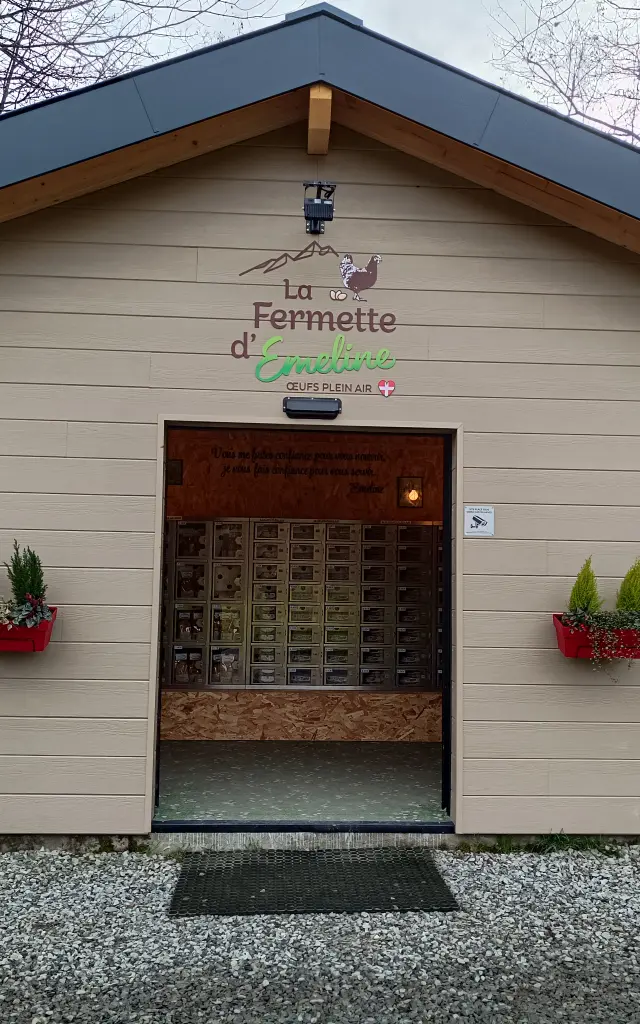
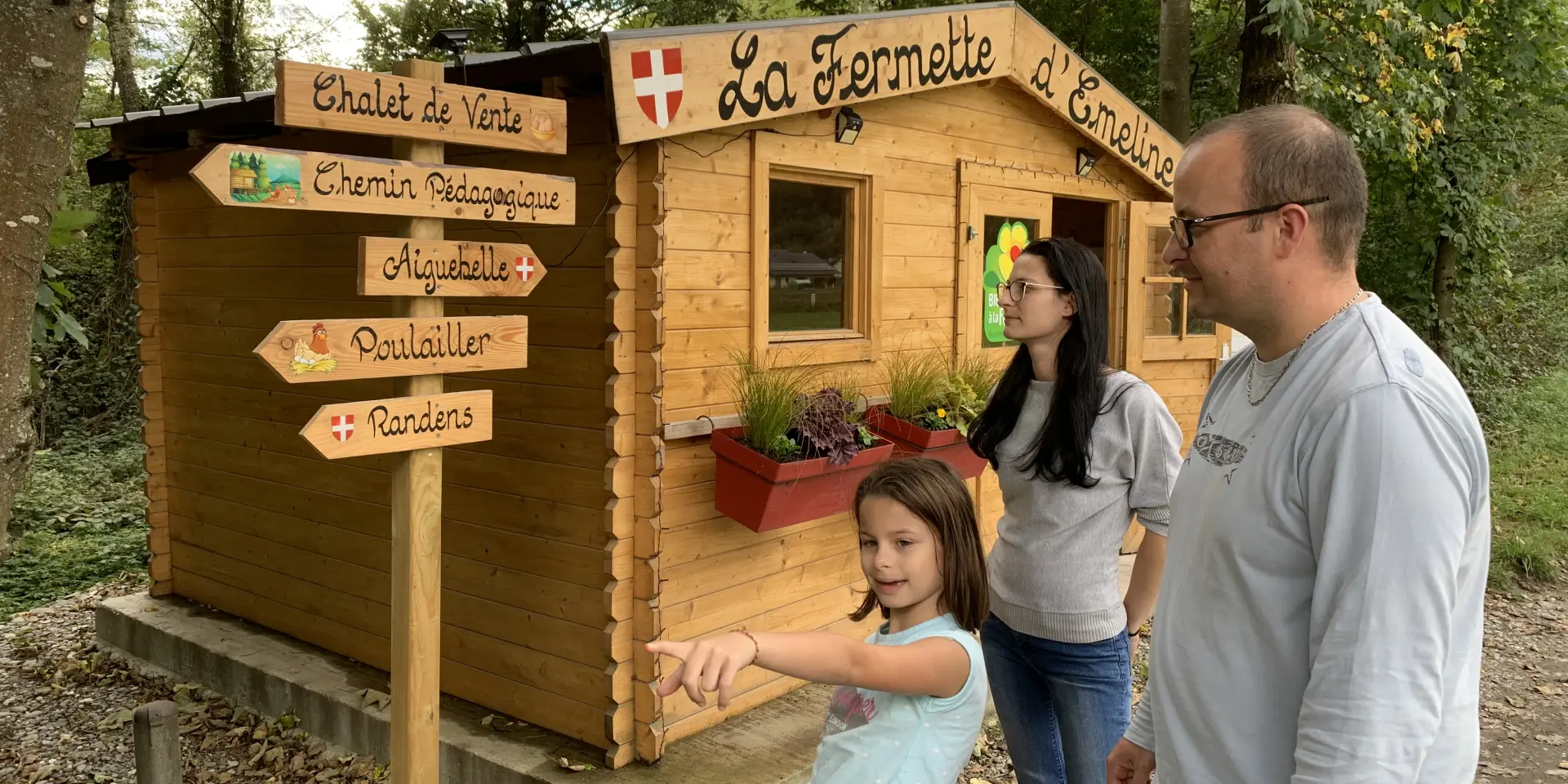
Discover the educational trail… Starting from the direct sales chalet at La Fermette d’Emeline, enjoy a 1-hour walk to find out all you need to know about laying hens and their eggs!

Getting there

On the way chickens

Located on the banks of the River Arc, La Fermette d’Émeline offers a free, self-guided walk along the river for around 1 hour round trip.

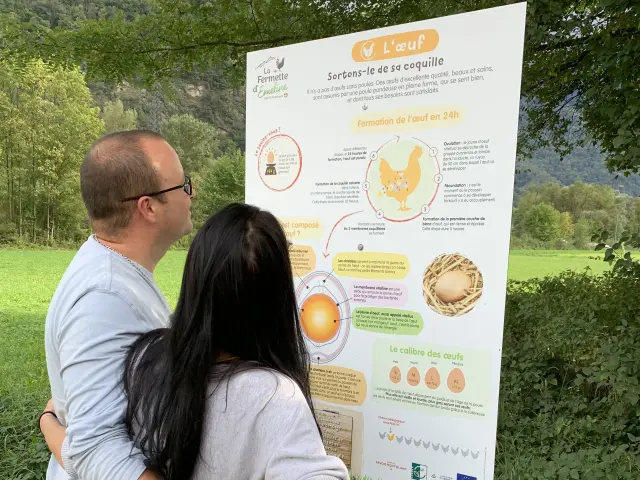
Starting from the farm’s sales chalet, let the arrows guide you! This educational trail, designed for young and old, schoolchildren and families alike, will give you a visual insight into the life of the hens and their work on the farm.

Featuring 10 educational and fun panels, this educational trail will help you learn more about poultry farming and find out everything you ever wanted to know about hens and eggs.

Shaded benches and picnic tables are available along the way, so you can enjoy a snack or simply stroll along for a while.

The best time to stroll here is at the end of the day, when the sun disappears behind the mountain and the cooler weather sets in.
La Fermette of Emeline

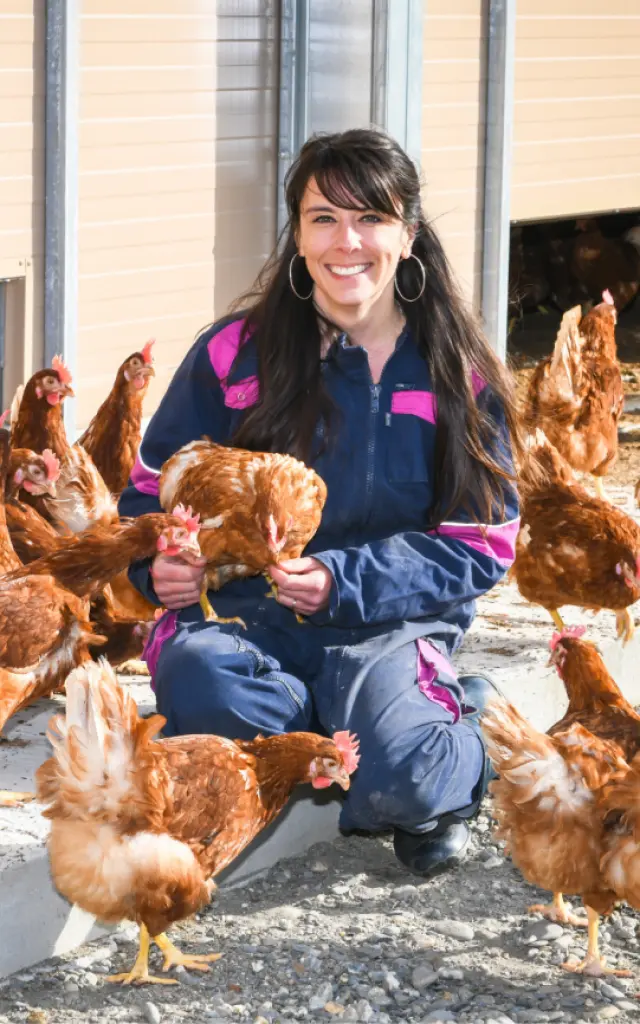
La Fermette d’Emeline, a free-range laying hen farm at La Pouille in Aiguebelle, is 100% local, short distribution channels and respects animal welfare. Emeline, a young farmer with a passion for livestock farming, has chosen an environment suited to the well-being of her hens… We warmly invite you to come and discover the farm and the life of the hens on the farm!

When the chickens take to the air

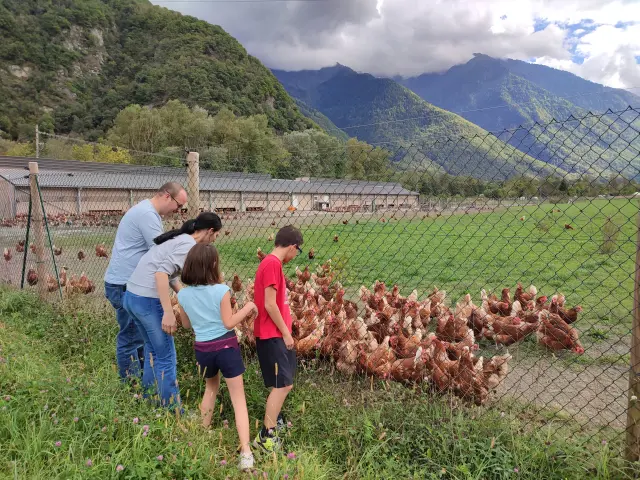
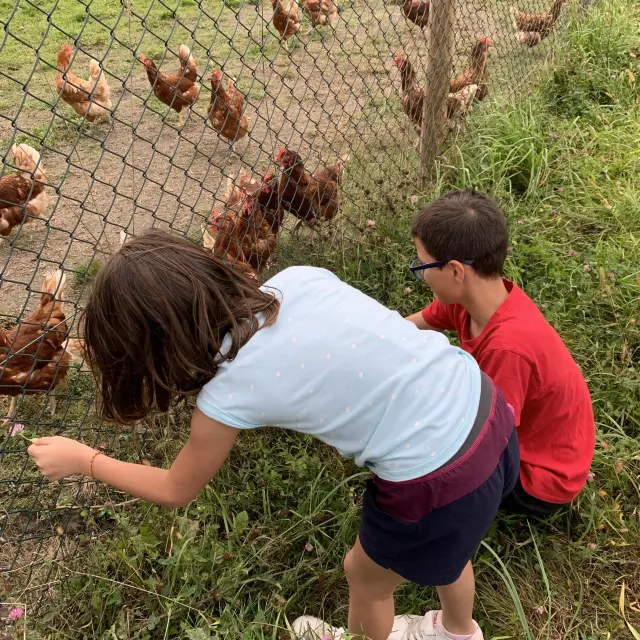
For the more curious, come and watch the hens outside in their 30,000m2 run.

Every day, from 1pm until nightfall, they peck, scratch and wander around their large wooded run.

Sometimes the hens aren’t outside, and yes… even hens have their reasons!

When it’s too hot and very sunny: Chickens don’t wear sunglasses or hats! They prefer to keep cool in the shade of the henhouse.

When the weather’s fickle: They really don’t like being called “wet hens” and wait for the weather to improve.

When regulations dictate: For health reasons, hens may be temporarily confined to the henhouse to avoid diseases transmitted by migrating wild birds.

Our answers to your questions