©

Thibaut Blais

Roaming

Whether it’s for two days, three days or a week, an itinerant hike is a unique face-to-face experience with the mountains. Spend the night in a hut or in a bivouac – here’s our selection of itinerant walks to enjoy in the Maurienne!

Our answers to your questions

  • What essential equipment should you have when setting off on a cross-country trek?

    You have to prepare for a multi-day trek. It’s as much a physical test as a mental one, but the equipment will have a big influence on the level of fatigue and comfort. When you’re embarking on a two- or three-day trek, the weight of your pack is less important than when you’re trekking for a week or more. In any case, here are the essentials:

    • Good hiking boots,
    • Sun cream, hat and sunglasses,
    • A T-shirt to cover your shoulders, shorts or sports/hiking trousers,
    • A good rucksack,
    • Water, lots of water (~2L/person/day).

    Some itineraries offer nights in a refuge, but sometimes there aren’t any on the route. So here are the essentials for nights in a bivouac:

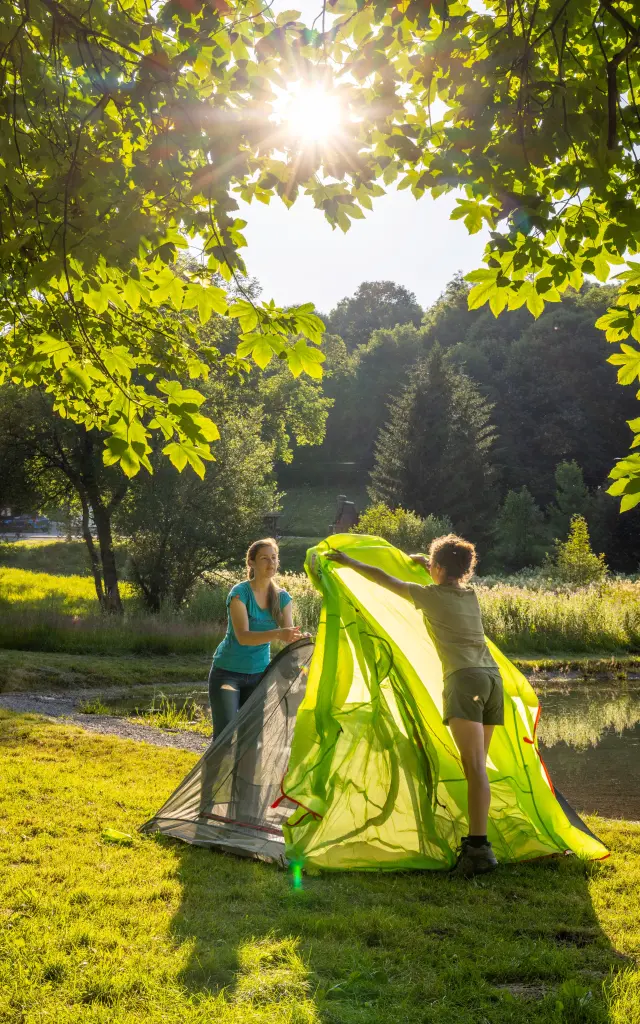
    • A tent,
    • A good sleeping bag,
    • Technical clothing for the night,
    • A stove,
    • Water (again).
  • How do you organise a multi-day tour?

    Hiking over several days sometimes requires a bit of organisation. In fact, apart from the equipment and the food and water supplies, sometimes the routes do not form loops. It’s important to check where the route starts and finishes. Unfortunately, there are no shuttle buses in the Maurienne in summer to make it easier to get to the start of a tour.

    As far as water is concerned, it is important to bear in mind that although springs are clear, they can sometimes be dangerous to drink because they are located in mountain pastures, etc. Livestock (both grazing animals and wildlife) drink from this water and faeces can also fall into it, making it unfit for consumption. Tablets sold in pharmacies can be used to make water drinkable if necessary. Water filter bottles can also be useful if there is no mention of “drinkable” springs on the itinerary.

    Some refuges are not guarded, but open and freely accessible. They are maintained by local associations, and are often equipped with a table, chairs, a wood-burning stove and mattresses/beds. It is everyone’s responsibility to keep these places in good condition, to refill the wood if it has been used, etc. It is important to reserve a place in the guarded huts in advance. They can be full during the summer season and do not accept last-minute hikers.
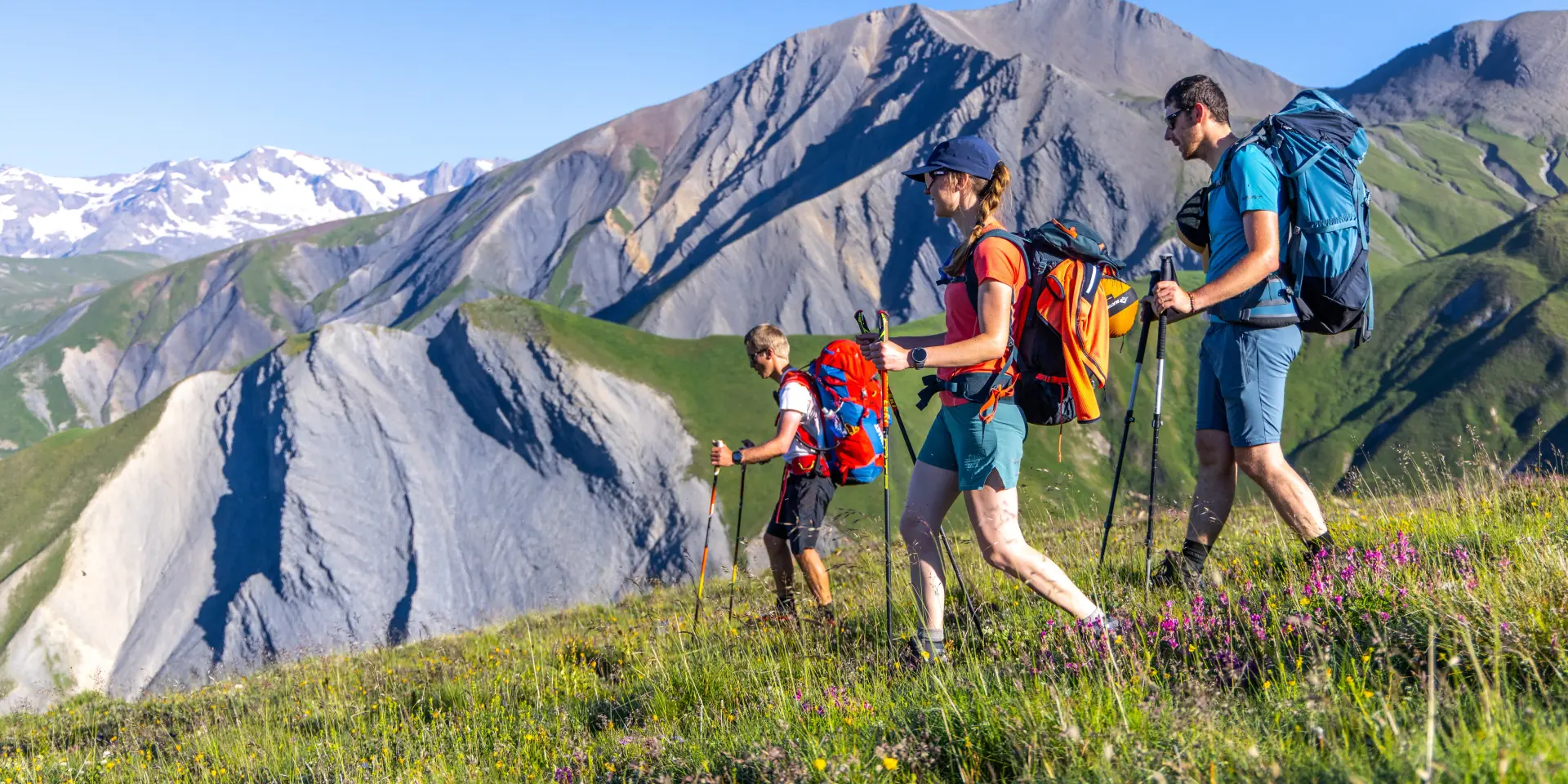
  • What level of fitness do you need for a touring hike?

    If you’ve never done itinerant walking before, start with a two-day itinerary. Alternatively, you can choose a one-day itinerary and split it into two days:

    • Day 1: climb to a plateau,
    • Day 2: descent back to the starting point.

    A multi-day hike can be more tiring, as you need to carry more gear to get through the night, be able to eat subsequent meals and manage more water. But there are hiking routes for all levels!