Transhumance

Ajouter aux favoris

It’s only a short step from the farm to the mountain pastures.

Every year, as if in consecration, the animals leave the stables where they have been pampered all winter. The fresh air, the fresh grass and the sun are theirs! For the farmers, it’s a different story. They have to organise the transport of the animals, milking in the mountain pastures and, for some, life at altitude.

Écrit par Elisa Published on 28 May 2026
Elisa

In love with animals and food, I wander around the valley and take advantage of the best spots.

Cathelins Farm 

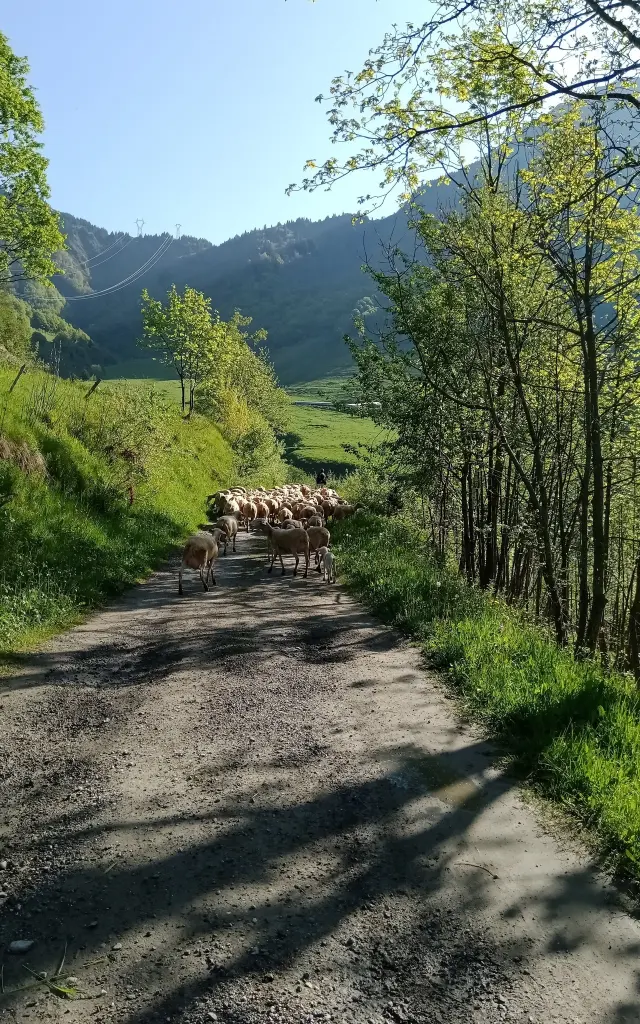
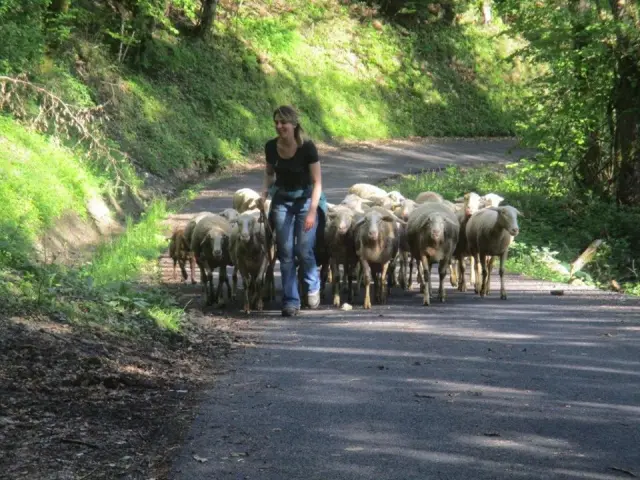
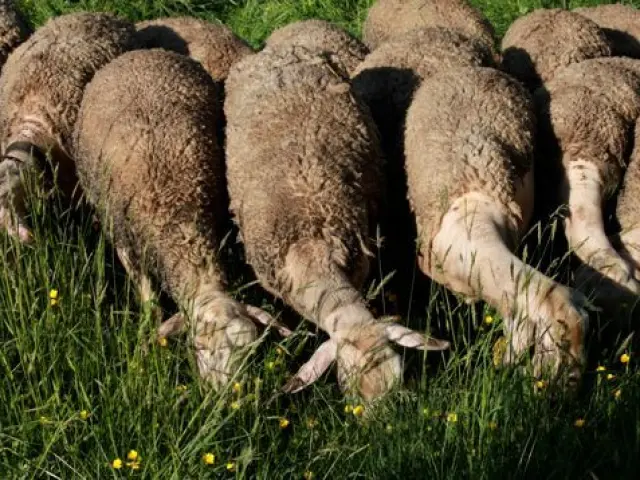
Amélie and Jean-Michel and their herd of dairy ewes are based in Montgilbert from October to March, before moving up to thecommunal Rouelles mountain pasture at an altitude of 1,300 metres.

On the road to the Grand Arc, it takes the 90 goats a day to reach the mountain pasture and their home for the next 6 months.
GAEC Bonnivard 

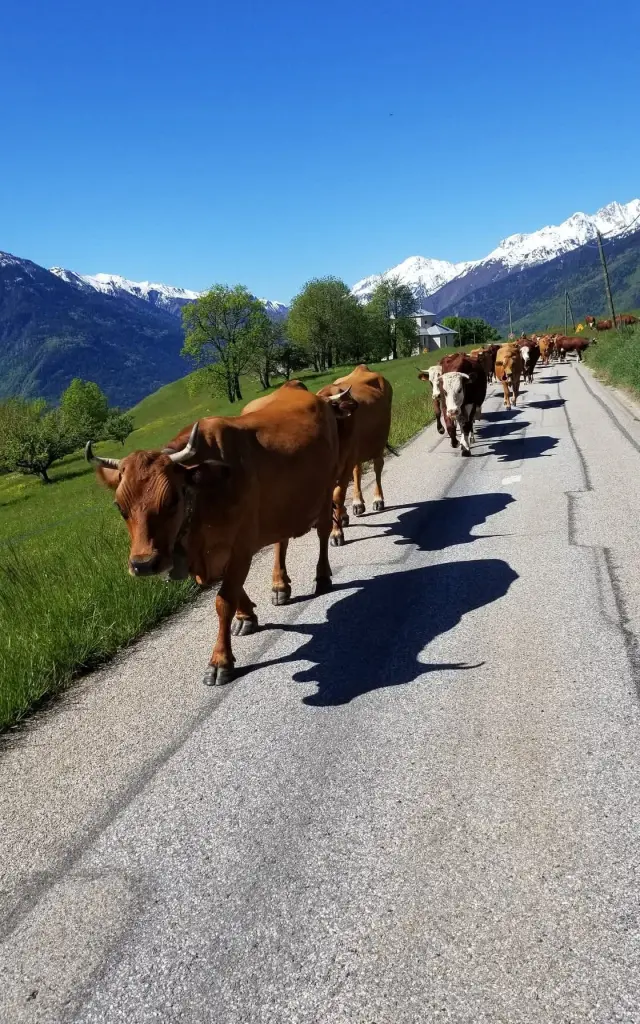
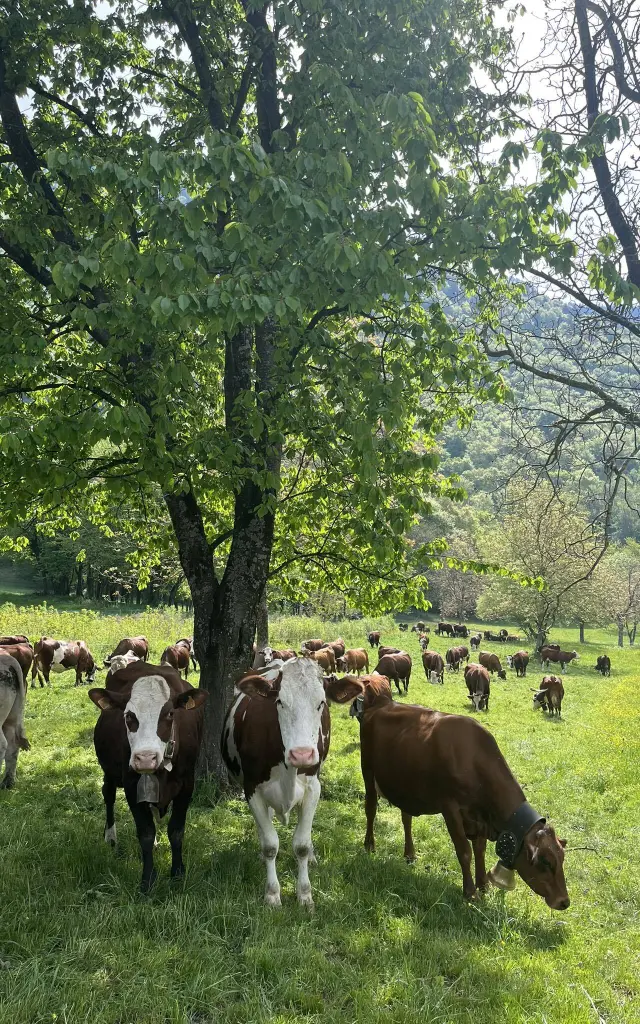
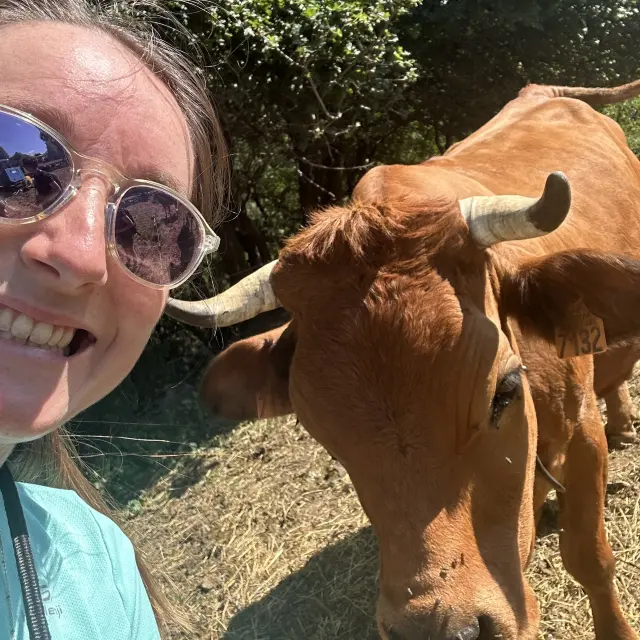
At Saint-Avre, Ludivine, Rodolphe, Joris and their herd of Tarine and Abondance cows spend the winter warm and cosy.

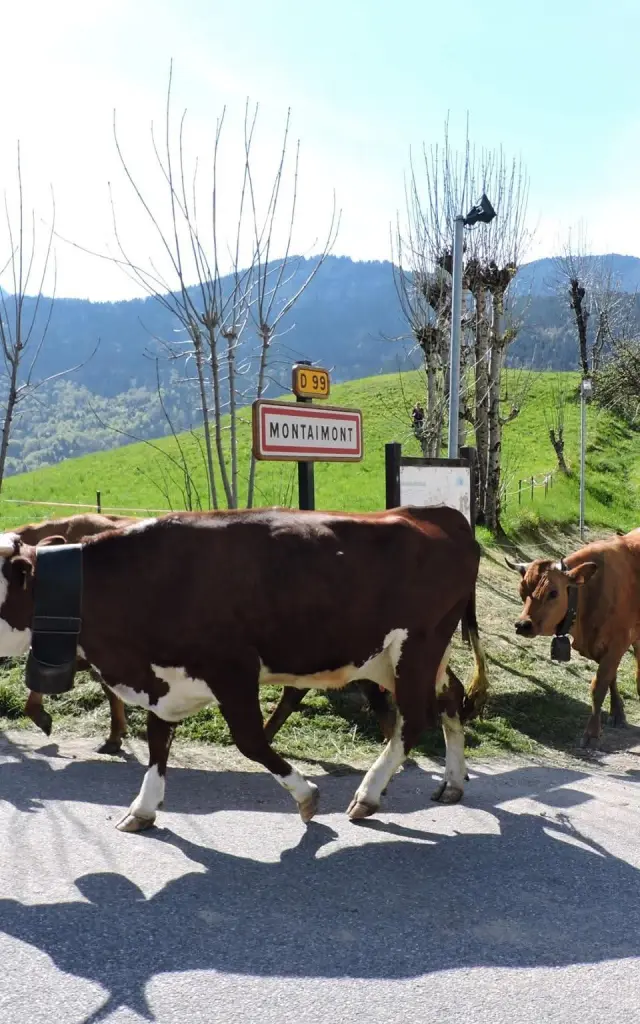
At the end of April, the cows are taken to Montaimont, at an altitude of 1,100 metres, via the Saint-François-Longchamp road. Over the course of the summer, the hundred or so cows move from one hamlet to another, before returning to their cowshed in early October.

You can accompany the herd on its ascent. Information at the GAEC Bonnivard shop in Saint-Avre.

GAEC du Grand Coin 

120 dairy goats from Montvernier to the Col du Chaussy!

Laura, Sébastien, Maxime and their herd are gradually making their way across the Grand Coin mountain pastures.

Their patous stand guard to protect the animals’ peace and quiet.

Minute prevention

At the bend in the path, you’re very likely to come across the herdsmen. These large white dogs (Patous) or Anatolian shepherds are not pets, but true professionals! Their sole mission is to protect the animals from predators.

A few simple reflexes are all you need to ensure that your hikes go as smoothly as possible:

  • Anticipate: As soon as you spot a herd, slow down and signal your presence (by speaking calmly or whistling).
  • Keep your distance: Keep well clear of the herd, even if this means leaving the path for a moment.
  • Stay calm: If the dog approaches to sniff you out and identify you, don’t panic. Stop, don’t look it in the eye, don’t approach it to pet it and don’t threaten it with your walking sticks.
  • Animal lovers: If you’re hiking with your own dog, keep it on a lead and don’t carry it in your arms.

Once you have reassured him of your intentions, he will calmly return to his sheep, leaving you to enjoy the beauty of our summits in complete peace of mind!