history of the areaBirth of the House of Savoy
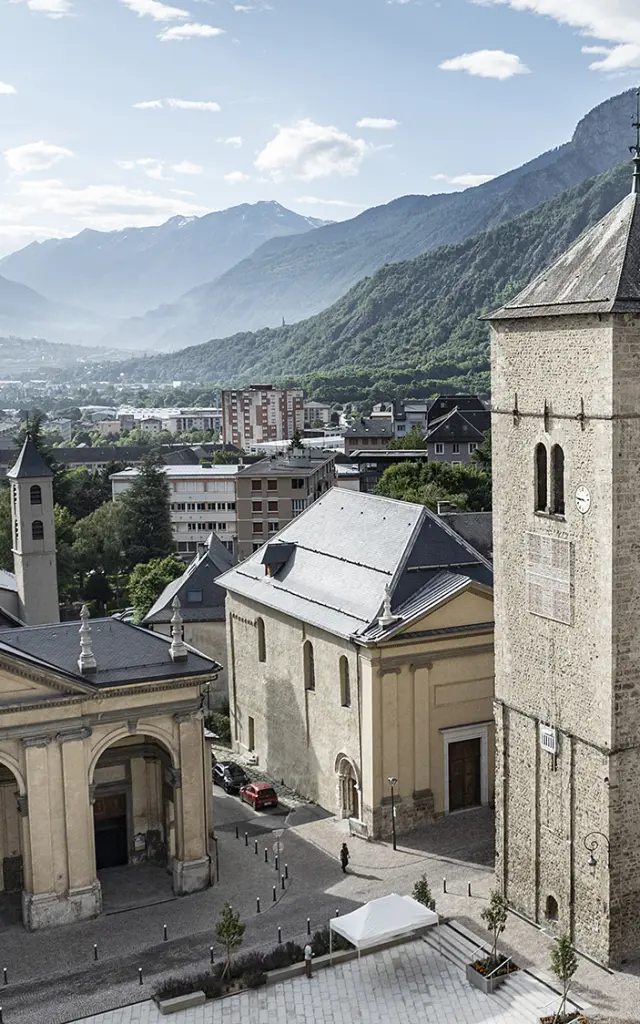
The Maurienne valley stretches for 120 kilometres between Italy and the Hautes-Alpes. Bordered on either side by various massifs (the Grand Arc range to the north and the Arves and Belledonne massifs to the south), the beginning of the valley has remained a dynamic and strategic gateway to Italy over the centuries.
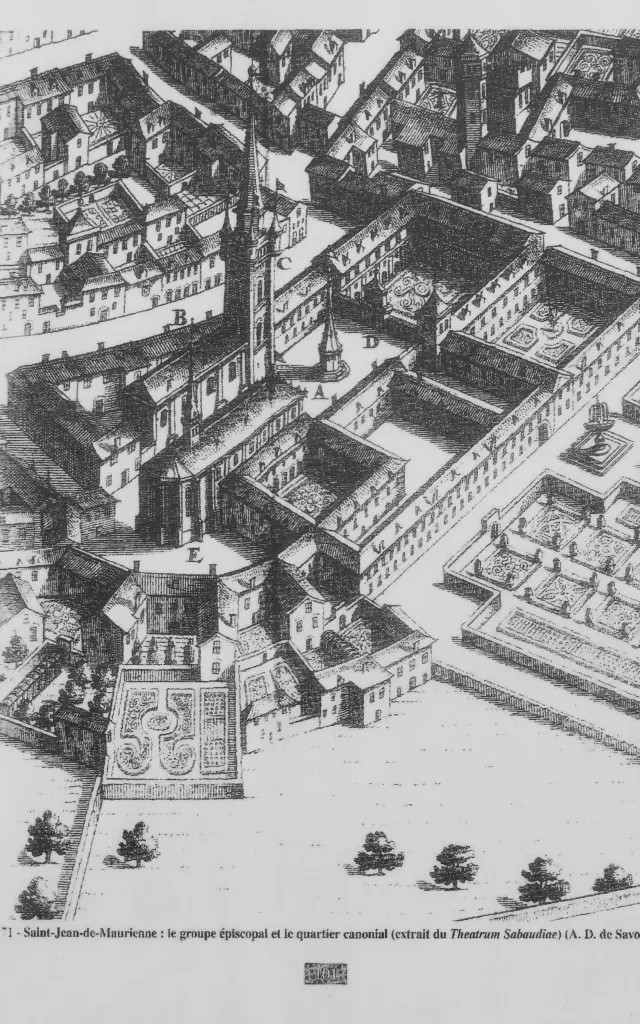
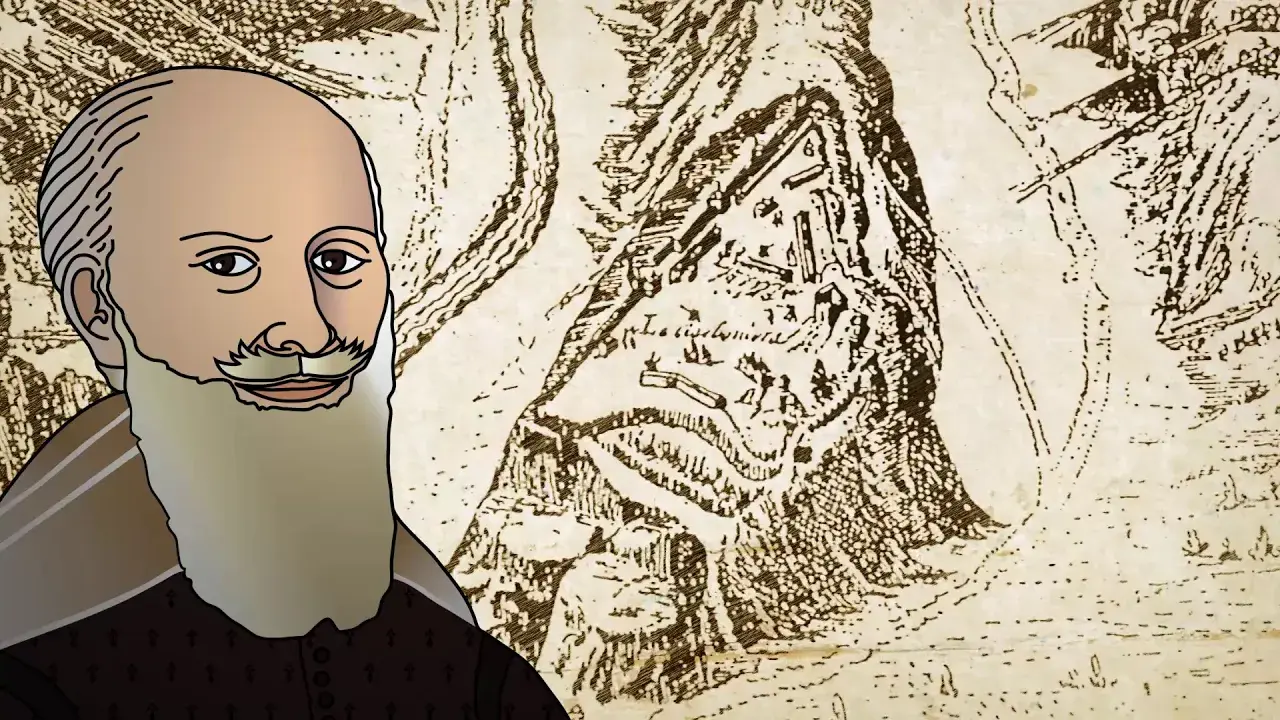
The history of the House of Savoy spans the centuries. Around 500 BC, the Allobroges, a Celtic people, settled in the Northern Alps: these were the origins of the territory. Subsequently, villages developed, particularly around places of worship such as churches. And it was in 1003 that Humbert, known as “aux Blanches Mains”, was given the Maurienne region by the Emperor, thus becoming the first Count of Savoie. In the 11th century, Savoie became part of the Holy Roman Empire. Over the following centuries, buildings symbolising the territory’s power were constructed (such as castles and abbeys). Wars were also fought to extend and defend the territory from attack. In 1416, the Counts became Dukes of Savoy when the German Emperor appointed Amédée VIII, then Count, Duke of Savoy.
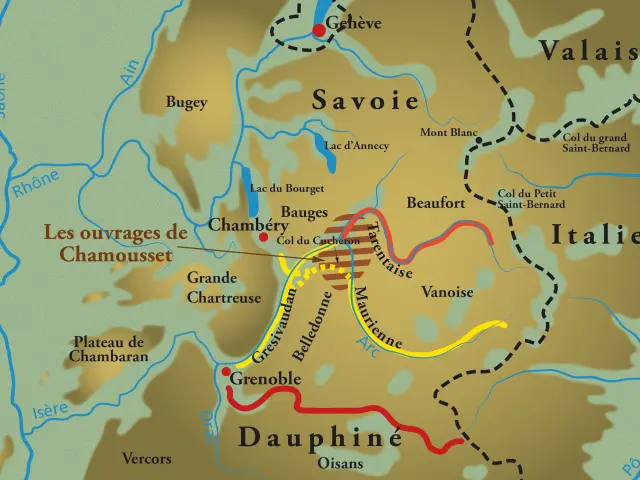

When Savoie became French
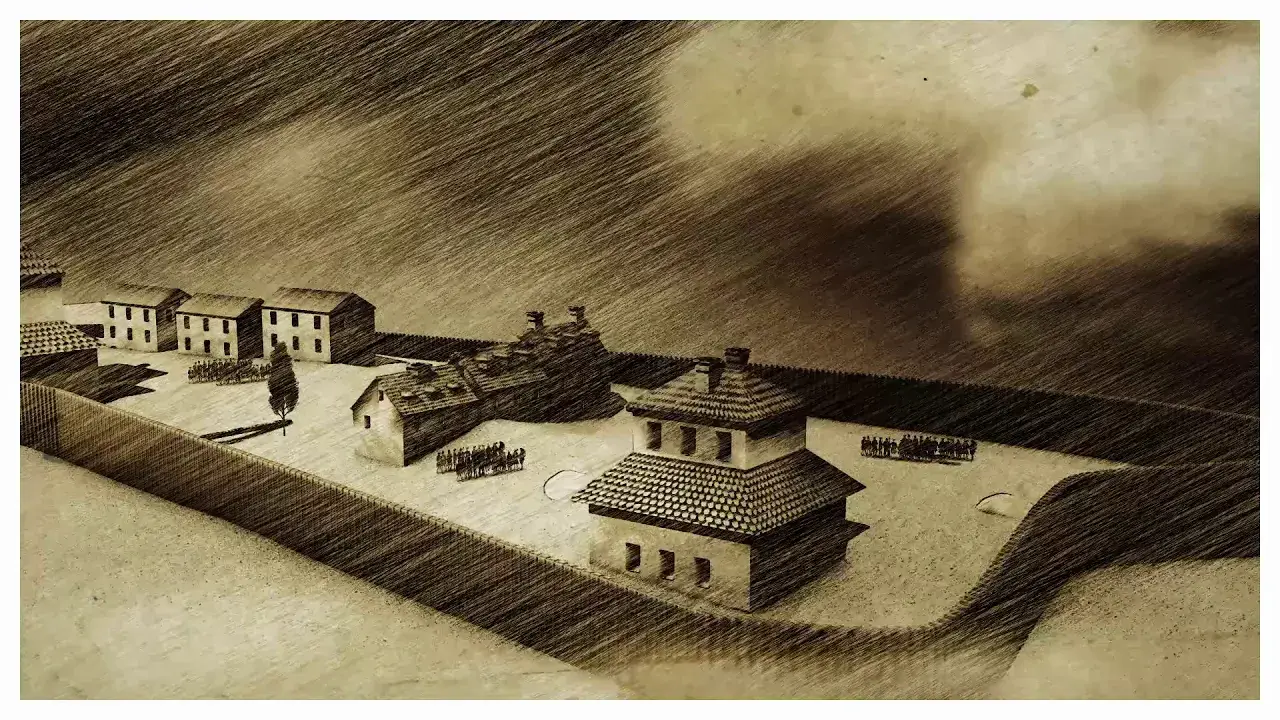
From 1456, when the King of France took back the Dauphiné (Savoy region), French pressure increased. Chambéry, then the capital of Savoy, was gradually abandoned in favour of Turin, dividing the population into a Savoyard party and a Piedmontese party, resulting in two administrations. In the mid-sixteenth century, the territory of the Duchy of Savoy included Geneva, part of Bugey, Savoy and Piedmont. In 1536, French armies invaded Savoy and François I created the Parliament of French Savoy in Chambéry. Official documents and registers had to be written in French. In the 17th century, numerous battles shifted the boundaries of Savoy. But in 1792, Savoie became part of France as the 84th department, the Mont-Blanc department. However, it wasn’t until 1861 that Savoie officially became French, following the signing of two treaties (in 1814 and 1815) that reunited Savoie and returned it to the King of Piedmont-Sardinia, Victor-Emmanuel I. This is why today it is the Prince of Piedmont and Venice who is the Duke of Savoy.