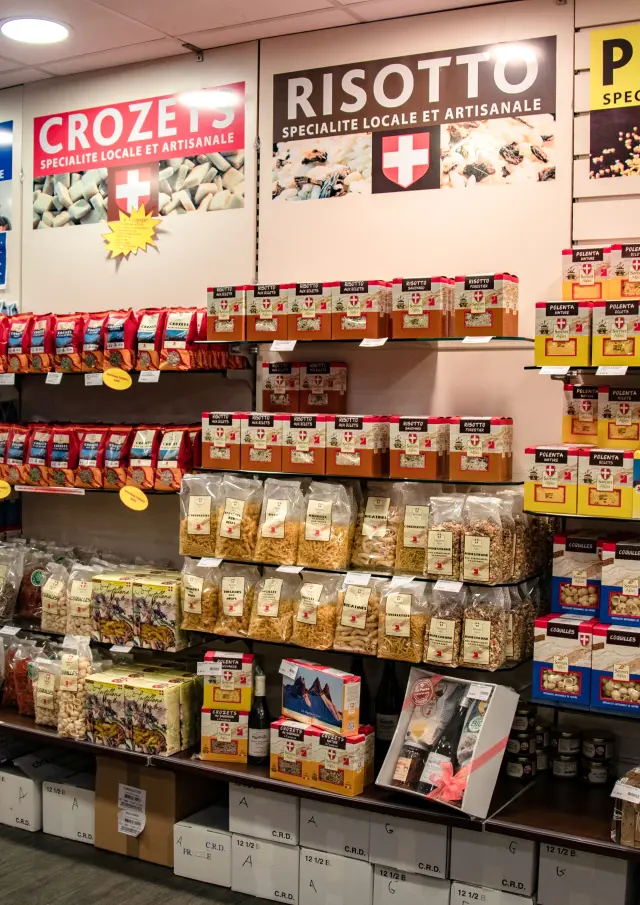
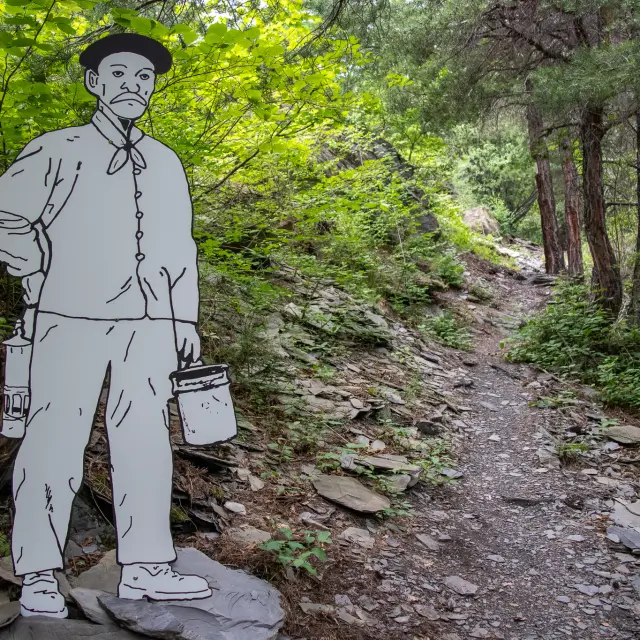
In addition to the large factories and quarries, other industries were developing. This was the case with the Opinel brand, whose history began in the hamlet of Gévoudaz, and La Pasta pasta in Saint-Jean-de-Maurienne.
The history of Opinel
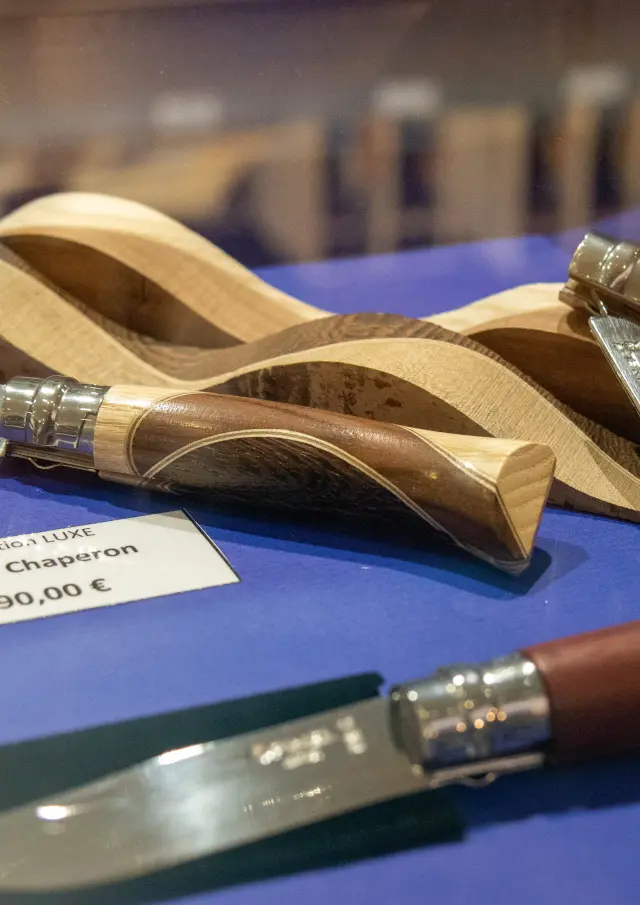
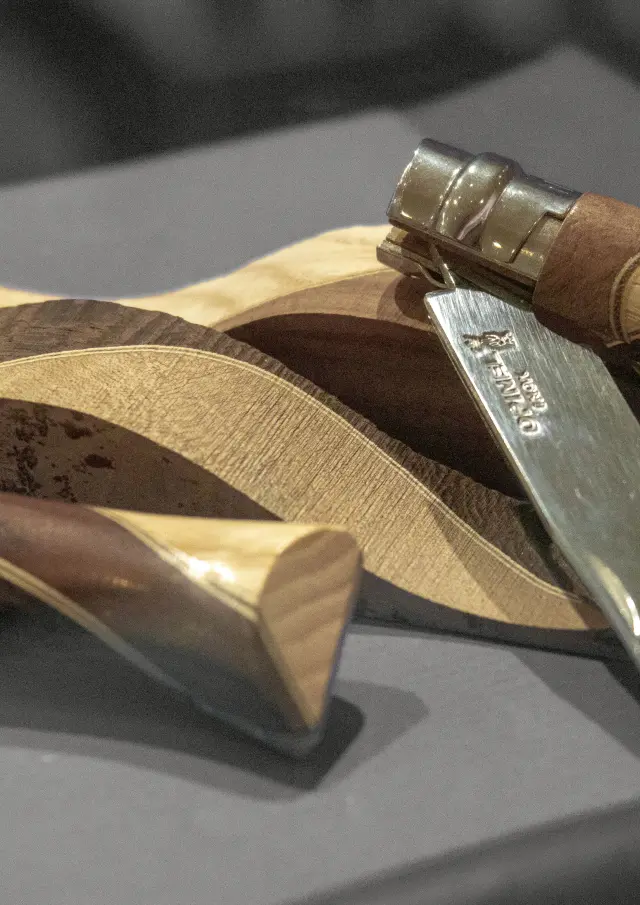
In 1872, Joseph Opinel was born in Gévoudaz, a small hamlet in Albiez-le-Vieux. It was a harsh place to live at the time, but situated on the banks of a river, it was the perfect place to set up a workshop. It was here that Victor-Amédée, his ancestor, set up his blacksmith business in 1800. Now at the head of a family workshop, his grandson went on to become a renowned blacksmith. As you may have guessed, it was he, Joseph Opinel, who created the famous folding knife. He was also interested in the new techniques of his time, which fascinated him. He combined his father’s learning with modernity to create the famous pocket knife. An ergonomic wooden handle, a tapered blade that could be folded into the handle: a practical object with an advanced design. The opinel was born. He chose as his emblem a crowned hand, the three fingers a reference to the history of the town of Saint-Jean-de-Maurienne and the legend of the relics of Saint John the Baptist, and the crown a reference to the Duchy of Savoy.
Sales accelerated and by 1901 there was a shortage of space. The family workshop then became a factory, built on the Gévoudaz bridge, by the side of the road. Opinel moved to Cognin in 1915, also on a riverside site near Chambéry. Joseph Opinel left his native valley, but not Savoie. Today, the factory is located in Chambéry, just a stone’s throw from the Cognin factory. It still promotes Made in France.
La Pasta
The Maurienne was the birthplace of Savoie’s first pasta factory in 1884. The Bozon Verduraz family came from Saint-Colomban-des-Villards and settled in Saint-Etienne-de-Cuines in 1884. The father, Jean Pierre, and then his son, Emmanuel, built a gigantic factory that produced pasta using the power of hydroelectricity to power the machines. The factory produced 125 tonnes of pasta a day, with over 700 workers making coquillettes, vermicelli, noodles, spaghetti and plombs (round pasta). The plant has an international reputation.
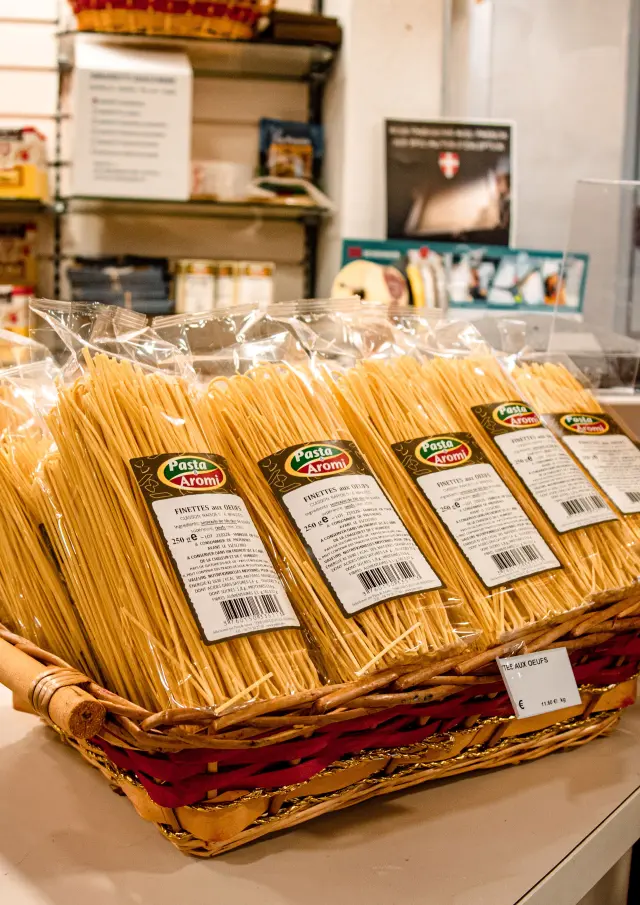
Since 2005, the plant has been producing Savoy specialities in the pure tradition begun in 1884. This family-run business is committed to the choice of raw materials, and the flours are carefully selected before being transformed into crozets, sapins, edelweiss, gentianes, tortillons, finettes…
“Our pasta tells the story of our region and our land.