OTITerresdemaurienne
Terres De Maurienne
|
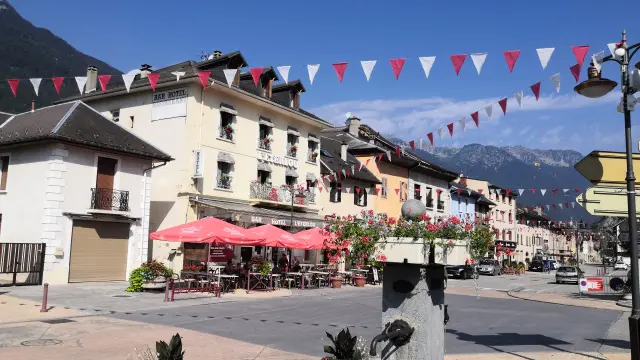
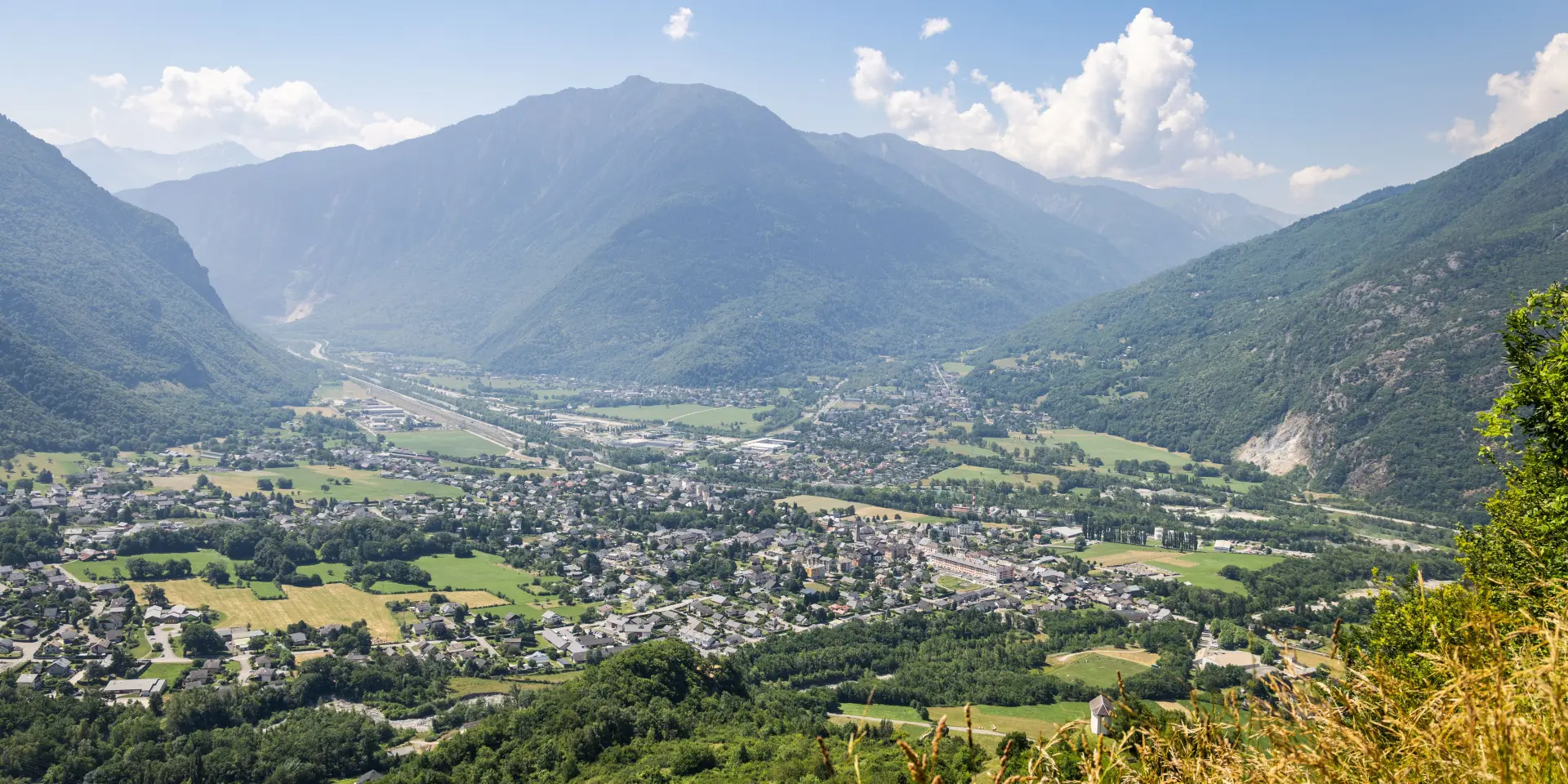
This charming village, with its 1,170 inhabitants, will welcome you with its shops, its industry, its agriculture and its flowers, crowned in 2008 with a First Flower in the “Towns and Villages in Bloom” competition.
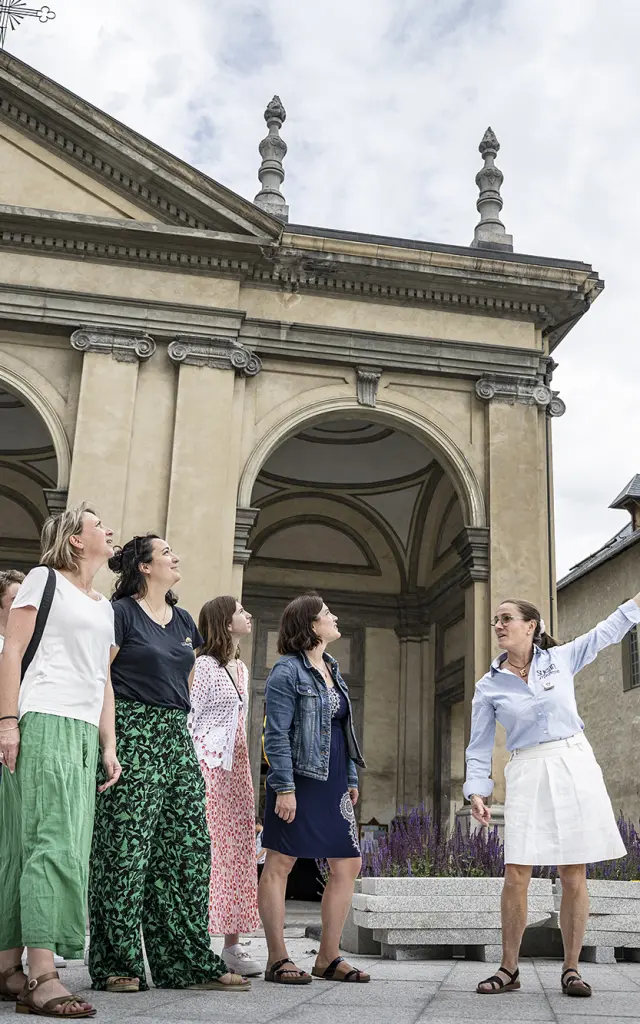
It lies at the foot of the legendary Madeleine and Glandon mountain passes, close to winter and summer sports resorts, and boasts a rich historical past, including the collegiate church of Saint Marcel, the remains of the Cordeliers convent and the Maison de la Tour.
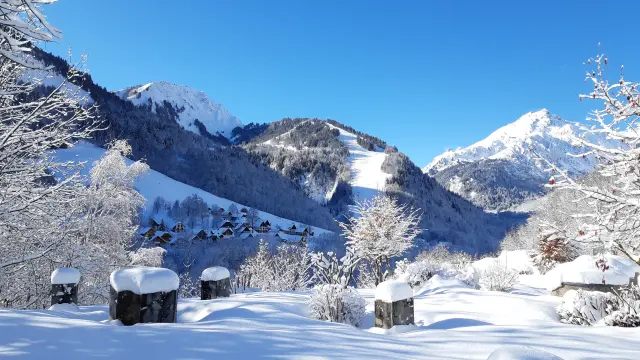
The Villards valley, made up of numerous hamlets with houses huddled close together, has managed to preserve its charm of yesteryear for the enjoyment of all, while at the same time providing a high-quality tourist infrastructure. A wide range of sporting and leisure activities are on offer in both summer and winter.
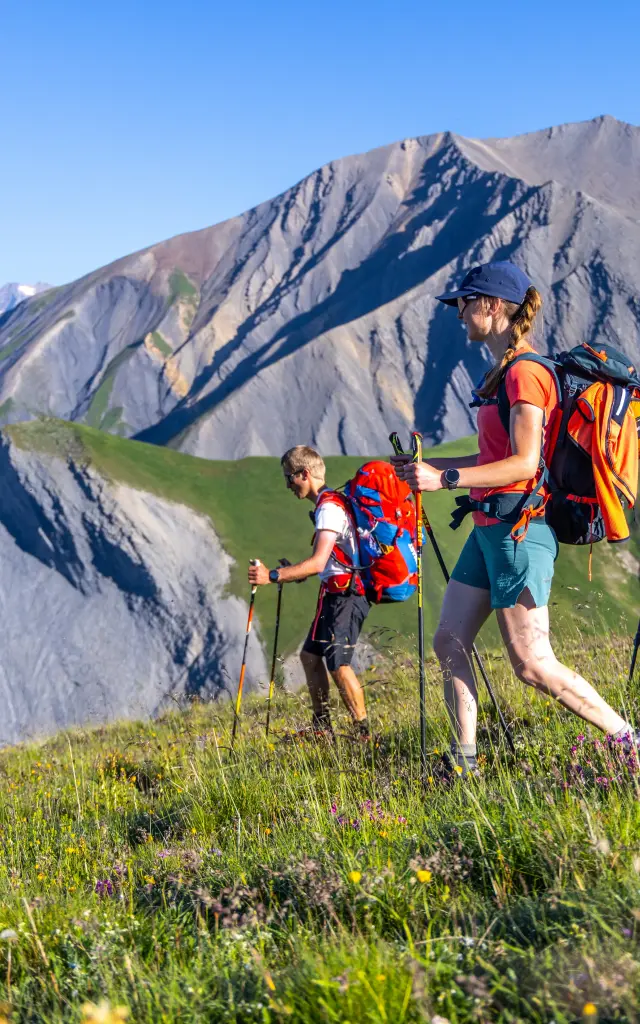
This small, south-east-facing, mid-mountain village of 100 inhabitants is rich in greenery and woodland, making it a great place to spend a holiday. There are plenty of trails for walking, snowshoeing and mountain biking.
With downhill skiing nearby and ski touring in the Combe du Merlet, Saint Alban des Villards offers all the pleasures of the slopes.
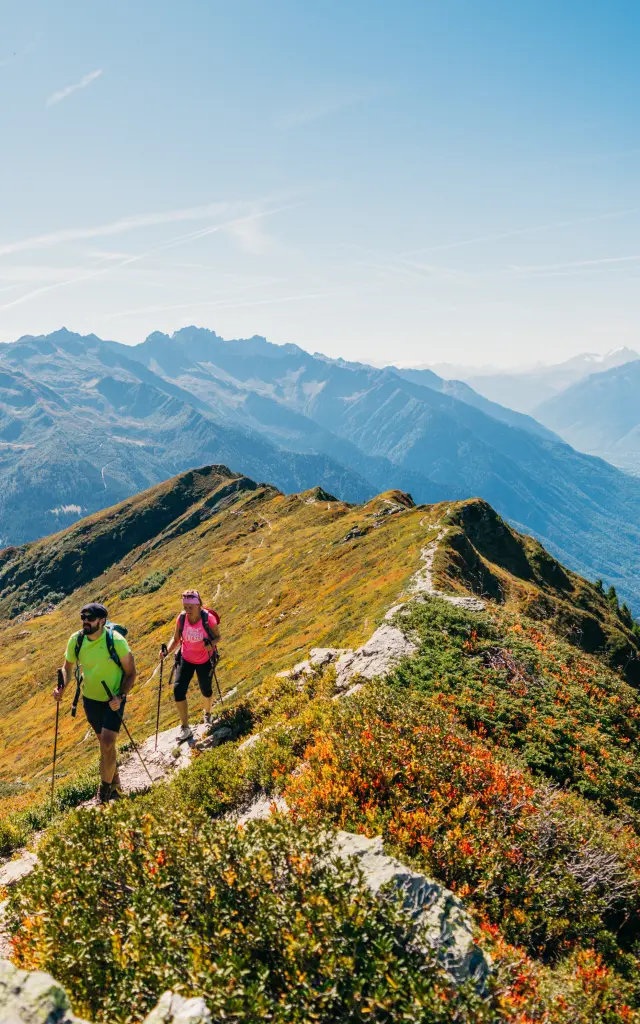
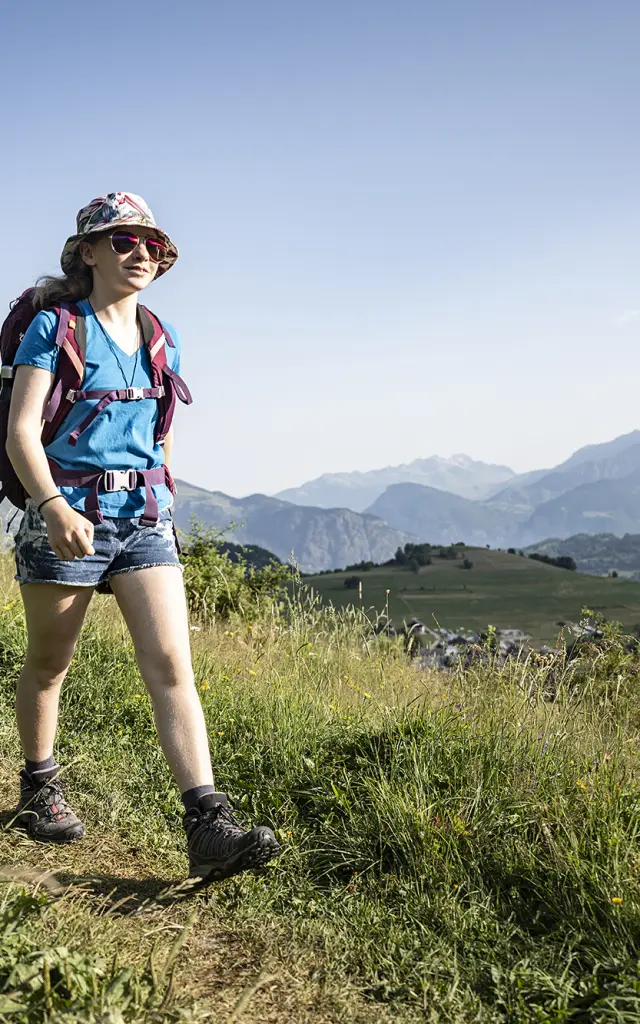
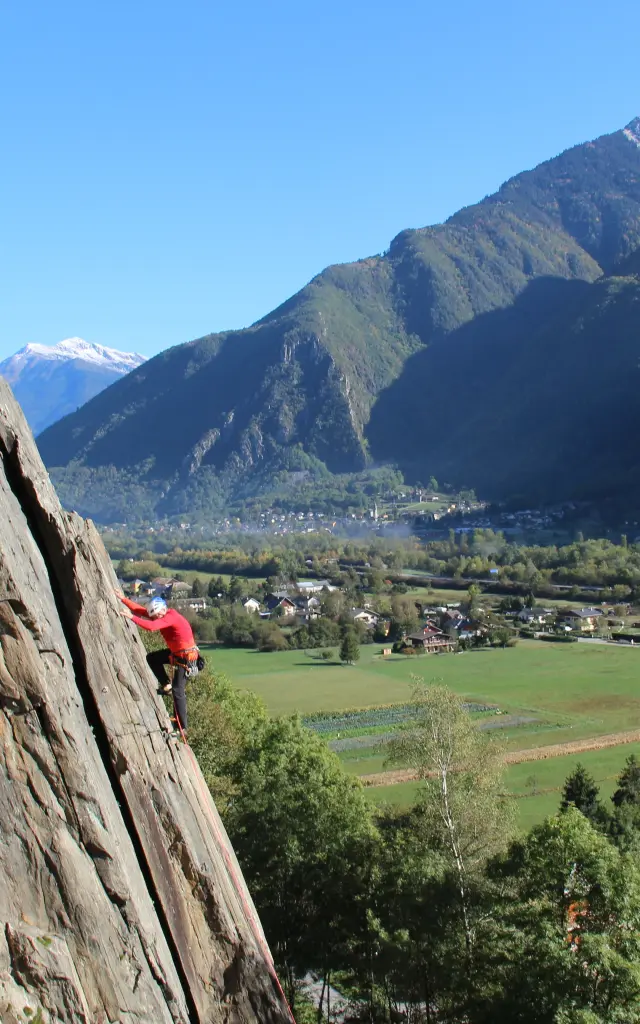
In summer, there are plenty of walks accessible to all, and the diversity of the trails means that you can enjoy everything from short family strolls to more technical hikes. The village is beautifully decorated with flowers during the summer season.
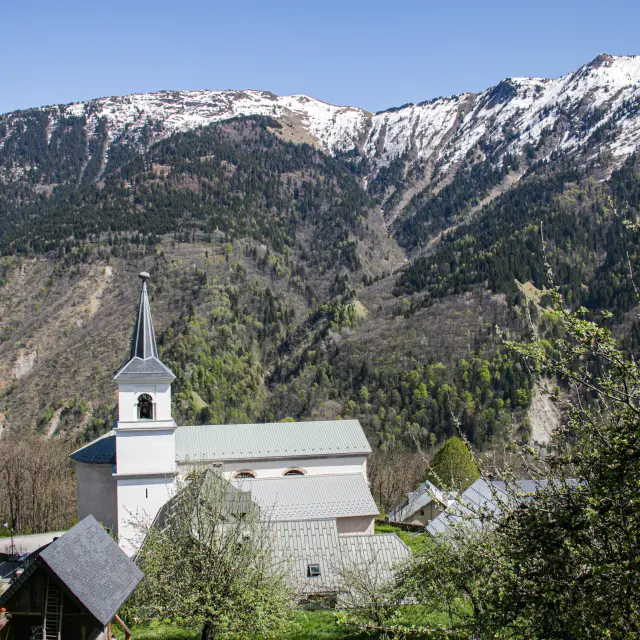
Saint-Etienne-de-Cuines is a large market town with a population of 1,236, situated at the entrance to the beautiful Villards valley and the Glandon pass. In the distant past, Saint-Etienne-de-Cuines had a very changeable destiny under the powerful Cuines family.
Mainly agricultural and pastoral, the village experienced exceptional economic growth from 1884 onwards, thanks to the transformation of a mill into the internationally renowned “Les pâtes La Lune” pasta factory. The Bozon-Verduraz factory employed up to seven hundred workers.
Today, the commune has become more of a residential area, and the hamlets along the Route des Côtes offer a relaxing setting, where people love to come and spend their holidays in an old farmhouse, ancestral home or old barn.
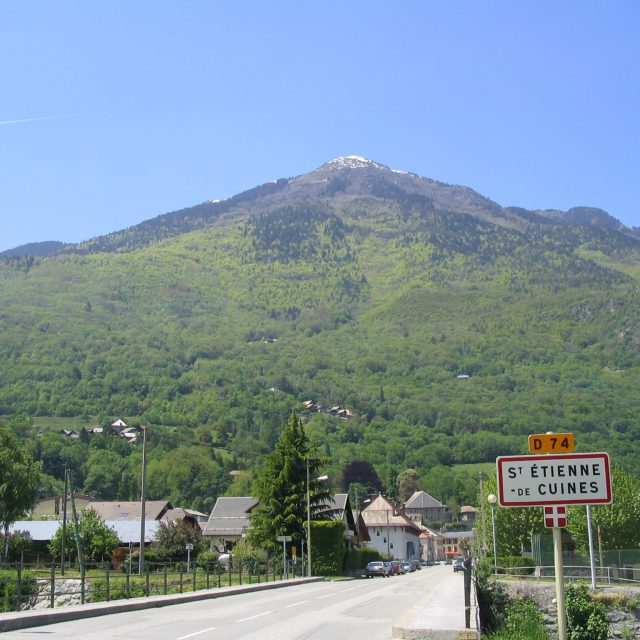
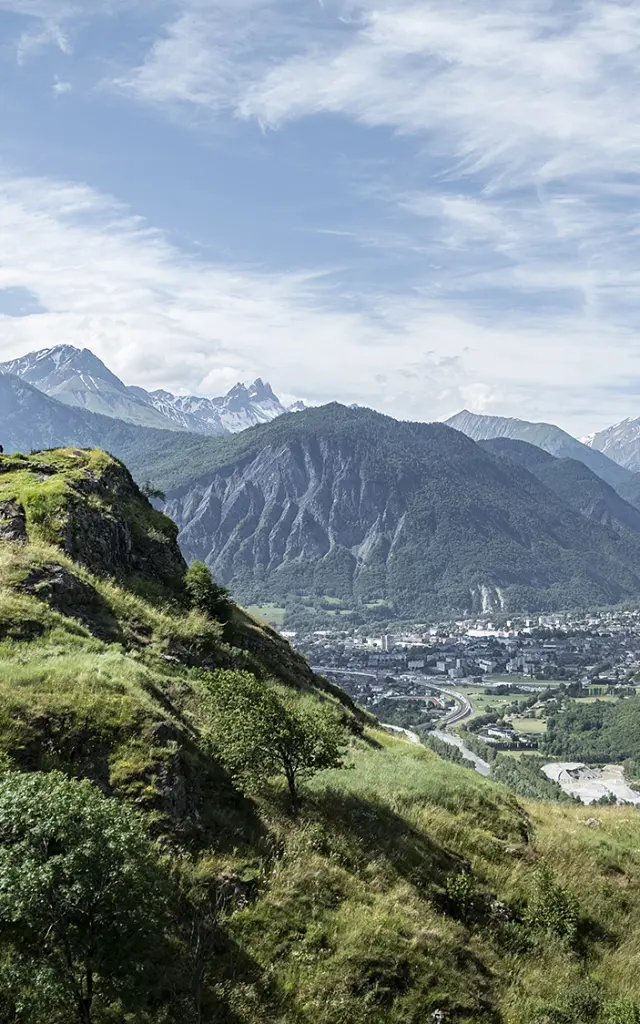
This fast-growing commune of 845 inhabitants is located on the left bank of the Arc river, at the foot of the Col du Glandon, 3 km from La Chambre. Its hamlets stretch between a long plain and the densely wooded slopes of the Grand Châtelard, where the Mont forest road provides access to various signposted footpaths for walking and mountain biking in all seasons.
Situated close to the ski resorts of Saint Colomban des Villards, Saint François Longchamp and the Grand Coin Nordic Area, you can be on the slopes in less than 30 minutes.
At the foot of the legendary Madeleine and Glandon passes, amateur cyclists can follow the routes of the major stages of the Tour de France.
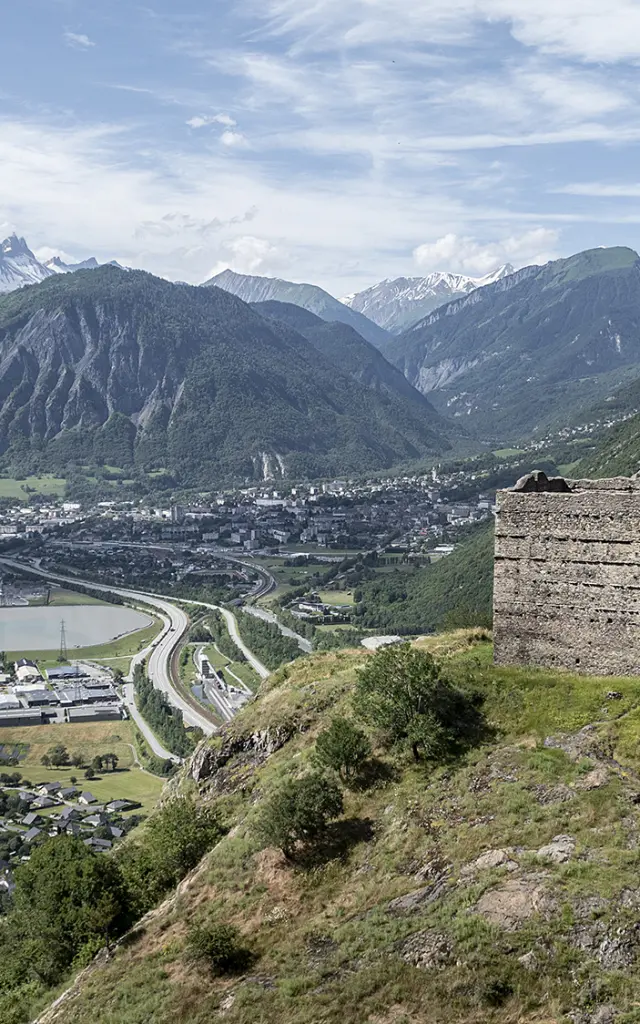
Sainte-Marie-de-Cuines is steeped in history, with imposing ruins of fortified castles overlooking the village.
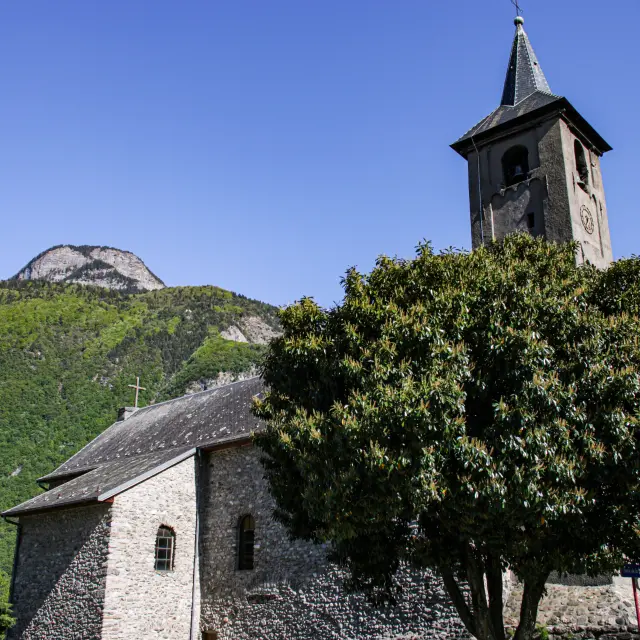
Saint Rémy de Maurienne (population 1228) offers quality tourism thanks to its 2-star campsite, gîtes and leisure facilities. It is also very active, with a fine industrial estate in its southern part.
Eighteen hamlets and villages are spread across the foothills of the Belledonne mountain range, with east-facing slopes dominated by the high peaks of Grands-Moulins (2495 m), tête de la Perrière (2355 m) and Grand-Miceau (2619 m). Numerous forest tracks criss-cross the mountains.
The Lac Bleu leisure area offers a pleasant place to relax and stroll, with picnic areas, a fitness trail, children’s play areas, a swimming area with a beach open in summer (July-August), lakes and rivers for fishing, and a lake with a 30-metre-high water jet. You’ll also find water games and fun for all the family, such as paddles and pedalos, as well as a Pumptrack.
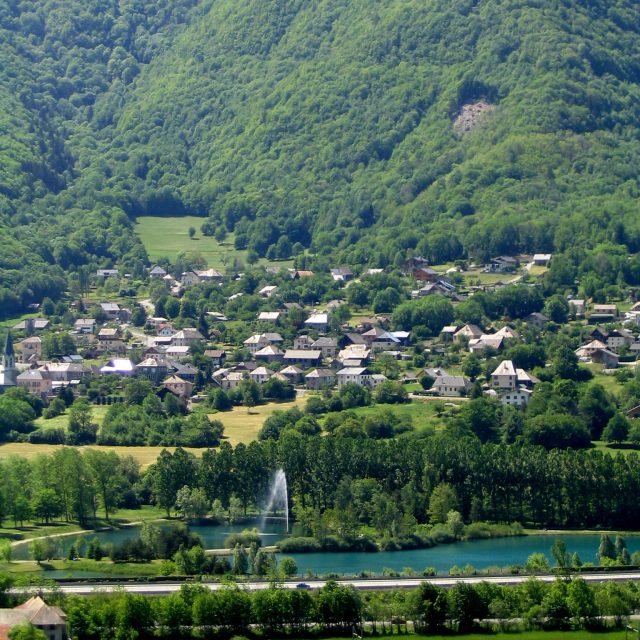
Right next to La Chambre, which earned it the name of Antichambre during the Revolution. Saint Avre took its current name in 1792.
A village of 910 inhabitants on the right bank of the river Arc, bordering the communes of LA CHAMBRE and SAINT MARTIN SUR LA CHAMBRE, in a pleasant setting, this very sunny village is considered to be residential and its population is growing steadily.
Its assets: It is just a stone’s throw from the A43 motorway exit 26 and has a train station serving the whole canton, particularly the winter and summer resorts, which are just 20 minutes away on both the right and left banks.
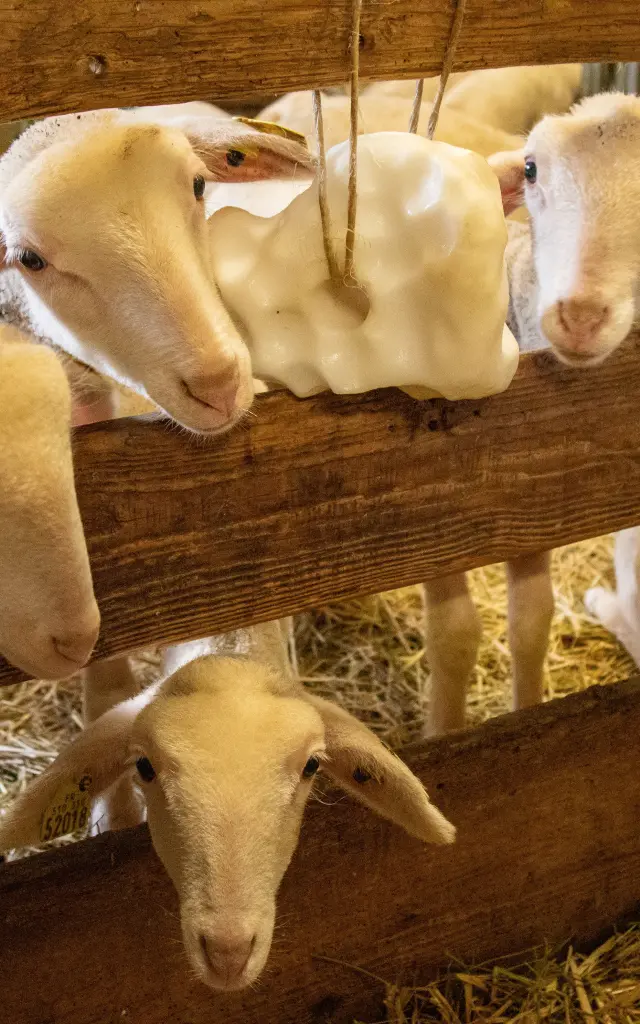
It has a diverse business park, a number of craftspeople and a thriving agricultural sector with several farms.
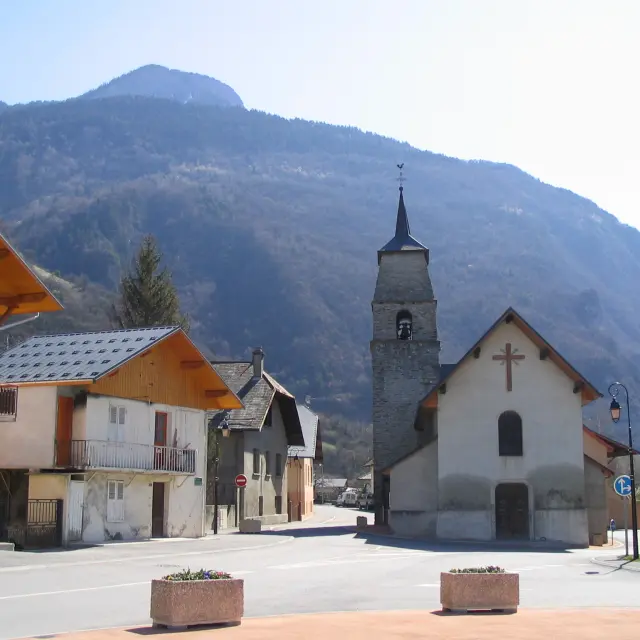
On the road to the Col de la Madeleine, Saint Martin sur la Chambre has a population of 536. Its homes are spread across well-exposed, sheltered, green slopes with magnificent views of the Belledonne mountain range and the Villards valley: it is one of the finest residential areas in the Maurienne and has become a tourist resort thanks to two pleasant campsites, gîtes, chambres d’hôtes and a restaurant, “Le Clocher des Pères”, which has been awarded 1 Michelin star.
Close to the winter sports resorts, it is also the ideal starting point for cycling in the Maurienne, hiking, fishing, tennis, swimming and many other activities.
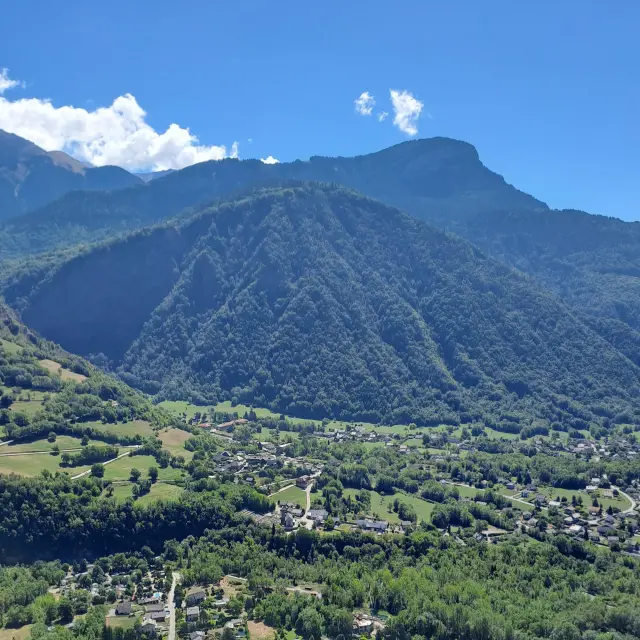
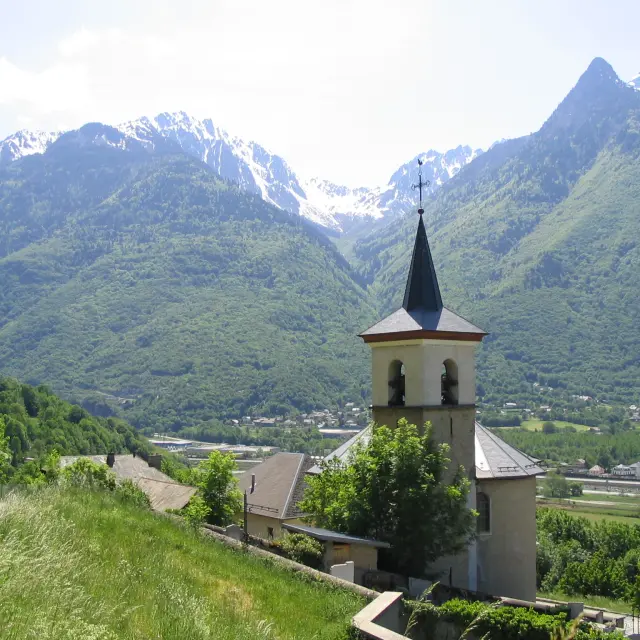
This small residential village at the bottom of the valley, with a population of 229, benefits from a microclimate that favours a rich vegetation: where you can still find some beautiful vines, which you can discover by taking the “Chemin des Vignes” from the town hall.
Just 1.5 km from La Chambre, where the shopping centre is located, Notre Dame du Cruet is above all a small, sheltered, sunny village where life is good.
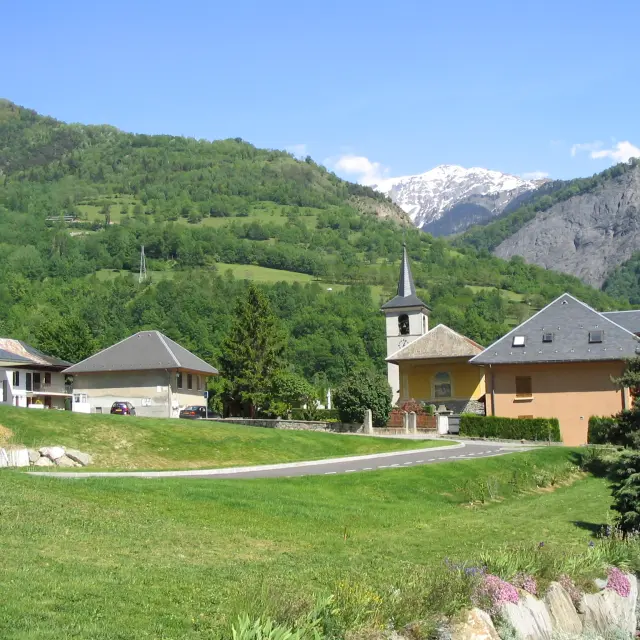
La Chapelle marks the northern entrance to the former canton of La Chambre, 10 km from its main town. This rural commune, which had almost 800 inhabitants in the 19th century compared with just 200 30 years ago, has now halted its decline. Its 361 inhabitants are spread across a number of hamlets on a sunny hillside. It’s a sought-after residential area for its authenticity and gentle way of life.
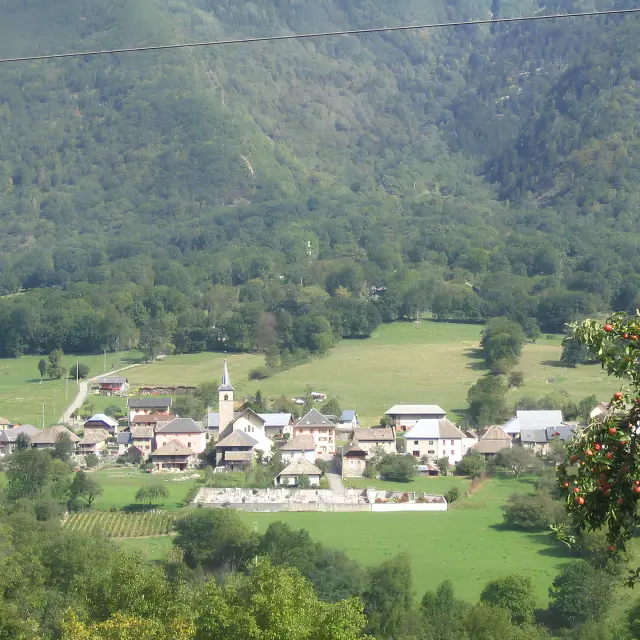
La Chapelle
|
This village lies to the south-west of the Lauzière massif, clinging to the steep slope that ends on the right bank of the Arc. With its 286 residents, this quiet village is gradually developing while retaining its identity.
A business park has been set up on the plain, housing two garages, a vehicle inspection centre and a number of craftsmen.